IDAA1c Remission Score Misses Over Half of Honeymoon Cases in Youth With Obesity
A Baylor-led SEARCH analysis in Diabetes Care finds IDAA1c ≤9 detects just 45% of C-peptide-confirmed partial remissions in youth with overweight or obesity. Raising the cutoff to 11.6 adds false positives.
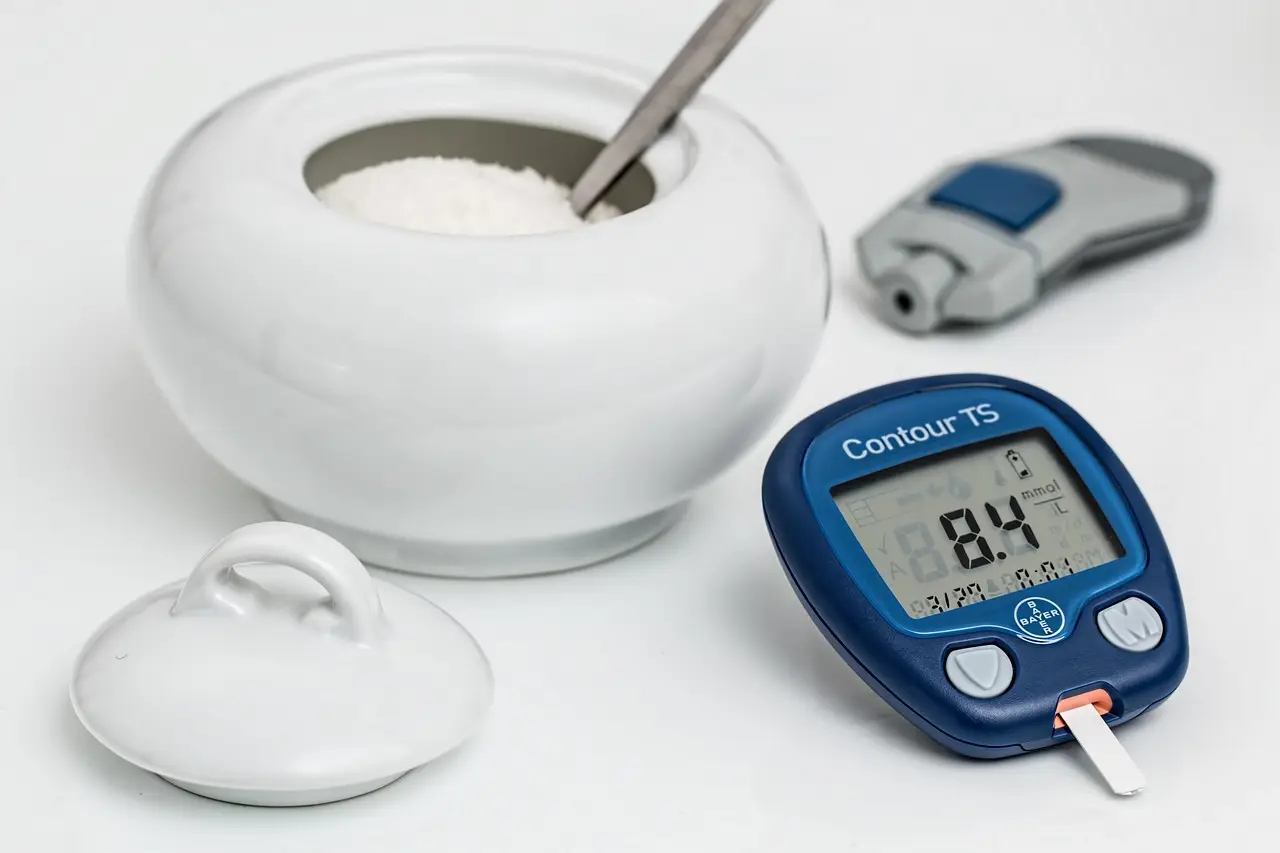
The standard IDAA1c threshold of nine or less identified only 45% of C-peptide-confirmed partial remissions in U.S. youth with type 1 diabetes who have overweight or obesity, according to a Baylor College of Medicine–led analysis published in Diabetes Care. In the full cohort of 422 patients, the cutoff caught about 61% of true remissions.
The study, drawn from the SEARCH for Diabetes in Youth Study and limited to participants within one year of diagnosis, compared insulin dose-adjusted hemoglobin A1c (IDAA1c) against stimulated C-peptide testing, the reference standard for residual insulin production. First author Dr. Michael L. Ferm, who worked on the project as a pediatric endocrinology fellow in the Redondo lab, and corresponding author Dr. Maria J. Redondo, professor of pediatrics—diabetes and endocrinology at Baylor and Texas Children's Hospital, led the work.
Why the screen matters
"After a person is diagnosed with type 1 diabetes and receives insulin treatment, some still produce a meaningful amount of their own insulin for a time," Redondo said. This partial remission, or honeymoon phase, correlates with better glycemic control, fewer hypoglycemic episodes and potentially lower long-term complication risk. That's why clinicians and researchers want to identify it accurately.
The problem: stimulated C-peptide testing is time-consuming and impractical for routine use. IDAA1c, built from two readily available values—A1c and daily insulin dose—has filled the gap since its cutoffs were established. But those cutoffs came from a primarily Northern European population.
"The IDAA1c values were determined in a primarily Northern European population and have not been validated in U.S. youth, of whom a large proportion is overweight or obese," Ferm said. "Overweight and obesity increase insulin resistance and insulin requirements so we hypothesized that IDAA1c would not reflect accurate estimates of insulin values in participants with overweight or obesity."
What did the numbers show?
Headline performance figures from the 422-patient cohort:
- Standard IDAA1c ≤9: about 61% sensitivity for partial remission.
- Correct identification of non-remission: about 79%.
- Overweight/obesity subgroup: only 45% of C-peptide-confirmed remissions detected.
"This result indicates that the standard IDAA1c would miss more than half of the children who were still producing a meaningful amount of insulin," Ferm said. "The test may incorrectly suggest that partial remission has ended."
Does a higher cutoff fix it?
Not cleanly. The investigators tested raising the threshold from nine to 11.6 in youth with overweight or obesity. Detection of partial remission improved, but false positives rose too. That trade-off left overall performance suboptimal, and the authors say the adjusted threshold would need reevaluation before adoption. Bottom line: no single cutoff rescues IDAA1c in this population.
"Our study concludes that IDAA1c should be used cautiously when evaluating individual patients, especially those with overweight or obesity," Redondo said. "There is a need for better, more reliable methods to define and measure partial remission in type 1 diabetes."
How the project came together
The study grew out of Ferm's fellowship training. Fellows pick a mentor for their research project; Ferm brought Redondo the hypothesis that IDAA1c misestimates insulin secretion in children with overweight or obesity, and led the work with faculty guidance. "Fellows identify a mentor for their research project," Redondo said, describing that structure as central to the program's research training.
Contributors include Xiaofan Huang, Charles G. Minard, Daniel J. DeSalvo, Amy S. Shah, Catherine Pihoker and Anna C. Bellatorre, with affiliations spanning Baylor, Texas Children's Hospital, Cincinnati Children's Hospital Medical Center and the University of Cincinnati, the University of Washington in Seattle, and University of Colorado Anschutz in Aurora.
Citation: Michael L. Ferm et al., Diabetes Care (2026). DOI: 10.2337/dc26-1313.
Takeaway: if your patient with new-onset type 1 diabetes has overweight or obesity, a "normal" IDAA1c doesn't rule out residual beta-cell function.
Source: Medical Xpress
More from Elena Vasquez
Show full bio
Senior reporter covering people, launches and day-to-day practice in Doctors' Insider is a professional daily at Doctors' Insider.
63 articles