GWAS Finds Three Loci Drive Young-Onset Diabetes in Chinese Patients
CUHK's GWAS of 22,000+ Chinese patients pinpoints KCNQ1, PAX4 and CDKAL1 as drivers of young-onset type 2 diabetes and yields a three-variant risk score for low-cost screening.
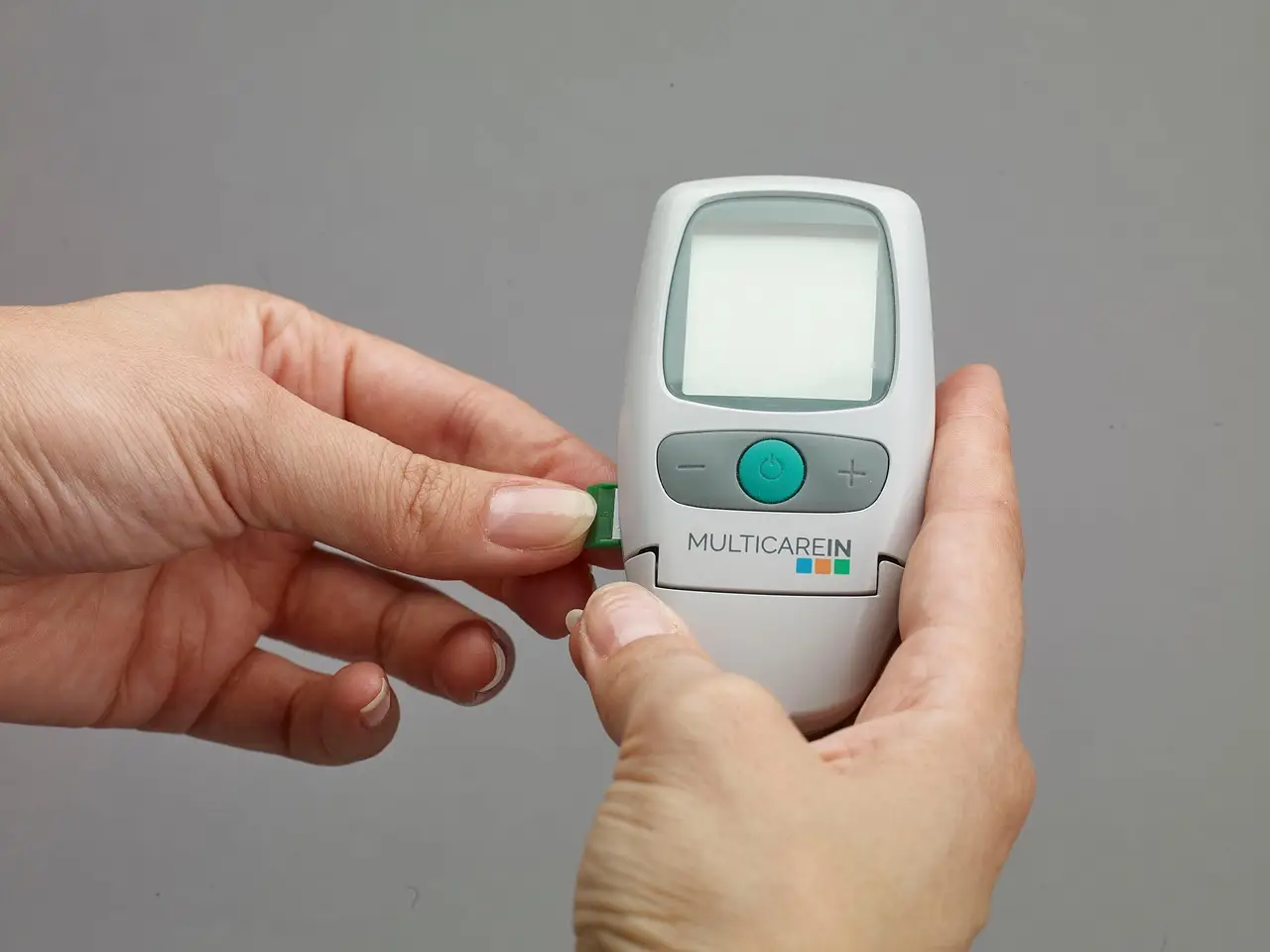
A genome-wide association study of more than 22,000 Chinese individuals in Hong Kong has identified three genetic regions — KCNQ1, PAX4 and CDKAL1 — associated with younger age at type 2 diabetes diagnosis, impaired beta-cell function and poorer glycemic control. The findings appeared in Genome Medicine (DOI: 10.1186/s13073-026-01760-5).
The study, led by the Chinese University of Hong Kong's Faculty of Medicine, is the first and largest genetic association analysis of age at diabetes diagnosis in a Chinese population. It addresses a persistent gap: most global genetic research has centered on older populations of European descent.
Why the findings matter clinically
In Asia, young-onset diabetes — diagnosed before age 40 — accounts for one in five type 2 diabetes cases, double the prevalence seen in European populations. Compared with later-onset disease, it brings faster beta-cell decline and longer exposure to hyperglycemia, raising premature death risk four- to ninefold relative to peers without diabetes. Diabetes affects one in nine adults worldwide and ranked as the 10th leading cause of death in Hong Kong in 2025.
The three lead variants are common in the target population, with frequencies from 19% to 70%. Each may account for an estimated 4.6% to 14.2% of young-onset diabetes cases.
Dr. Fan Baoqi, research associate and data analyst in CU Medicine's Department of Medicine and Therapeutics, said: "These fairly common DNA codes increase a person's chances of developing diabetes at a young age in the presence of other risk factors, such as smoking, obesity and psychosocial stress."
He added that identifying high-risk individuals for targeted intervention on modifiable factors such as body weight carries significant public health implications. For patients who already have young-onset diabetes, the presence of these variants signals compromised beta-cell function and warrants intensified treatment to protect beta-cells and prevent premature organ damage.
What distinguishes the Chinese risk architecture?
The top variants showed clear interethnic differences in prevalence and pointed to beta-cell dysfunction as the dominant pathway in Chinese patients:
- The lead variant near CDKAL1 is more than twice as common in Asians as in Europeans.
- The Asian-specific PAX4 variant and the common KCNQ1 risk variant are key genetic markers of young-onset diabetes in Chinese populations.
- Risks at PAX4 and KCNQ1 are not captured by European or South Indian genetic risk models for age at diabetes diagnosis.
- The leading PAX4 variant correlates with poorer blood glucose control and reduced insulin production.
- Unlike British Pakistani and Bangladeshi populations, where young-onset diabetes involves both insulin deficiency and abnormal fat storage, the Chinese pattern ties more strongly to beta-cell-affecting variants.
Professor Ronald Ma Ching-wan, SH Ho Professor of Diabetes and head of division (academic affairs) in the Division of Endocrinology and Diabetes at CU Medicine, noted that CU Medicine researchers have contributed to global diabetes genetics from Asia for three decades. The analysis also surfaced a suggestive variant associated with both young age at diagnosis and kidney disease in European patients with type 1 diabetes, a finding that may explain why Asians show a high tendency toward both conditions. Further research on shared risk pathways is needed, he said.
How does ADD-GRS work?
The team converted the three loci into an Age-at-Diabetes-Diagnosis Genetic Risk Score (ADD-GRS). Higher scores track with poorer glycemic control, lower insulin production and younger age at diagnosis. Individuals whose score falls in the highest 5% to 20% could receive a diagnosis six to 12 months earlier than average, and additional genetic and nongenetic risk factors may push onset younger still.
Unlike multi-ancestry scores built from thousands of markers, ADD-GRS rests on three Chinese-relevant variants, making testing and risk stratification more cost-effective than genome-wide panels. Clinicians could use it to flag at-risk young people for prioritized oral glucose tolerance testing (OGTT), the gold standard for diagnosing diabetes and prediabetes.
Professor Andrea Luk On-yan, medical director (non-oncology) of the Phase I Clinical Trial Center at CU Medicine, cited the stakes: "Our modeling showed that an individual diagnosed with diabetes at age 33 may accumulate around 100 days of hospitalization by age 70. Even with optimal control of cardiometabolic risk factors such as blood pressure, blood cholesterol, blood glucose and body weight, hospitalization risk drops by only about 30%. In contrast, delaying the onset of diabetes until the age of 50 to 60 has the potential to substantially reduce the burden of recurrent hospitalization."
Study lead Professor Juliana Chan Chung-ngor, founding director of the Hong Kong Institute of Diabetes and Obesity, framed the model plainly: "Diabetes is like a loaded gun that only fires when the trigger of risk factors is pulled." Combining the genetic variants with family history, age and obesity, she said, enables personalized risk scores, targeted testing, regular monitoring and earlier intervention.
Three variants, one cheap assay, and a six-to-12-month head start on diagnosis.
Source: Medical Xpress
More from Marcus Bennett
Show full bio
Staff writer covering companies, deals and strategy in Doctors' Insider is a professional daily at Doctors' Insider.
64 articles
Related articles
- 830 Million With Diabetes, Half Without Insulin: Access Gap Grows
- Gene-Diet Interaction Drives LDL Response in 21,000-Women Trial
- FIB-4 triage rules out advanced fibrosis in 67% of diabetes patients
- 1 in 9 US Adults on a GLP-1, and Obesity Still Wins
- IDAA1c Remission Score Misses Over Half of Honeymoon Cases in Youth With Obesity