eGFRcys 30% Below Creatinine Estimate Raises Death Risk 69%
In a CKD-PC meta-analysis of 821,327 outpatients, eGFRcys at least 30% below eGFRcr occurred in 11% and raised all-cause mortality 69% and heart failure 54% over 11 years.
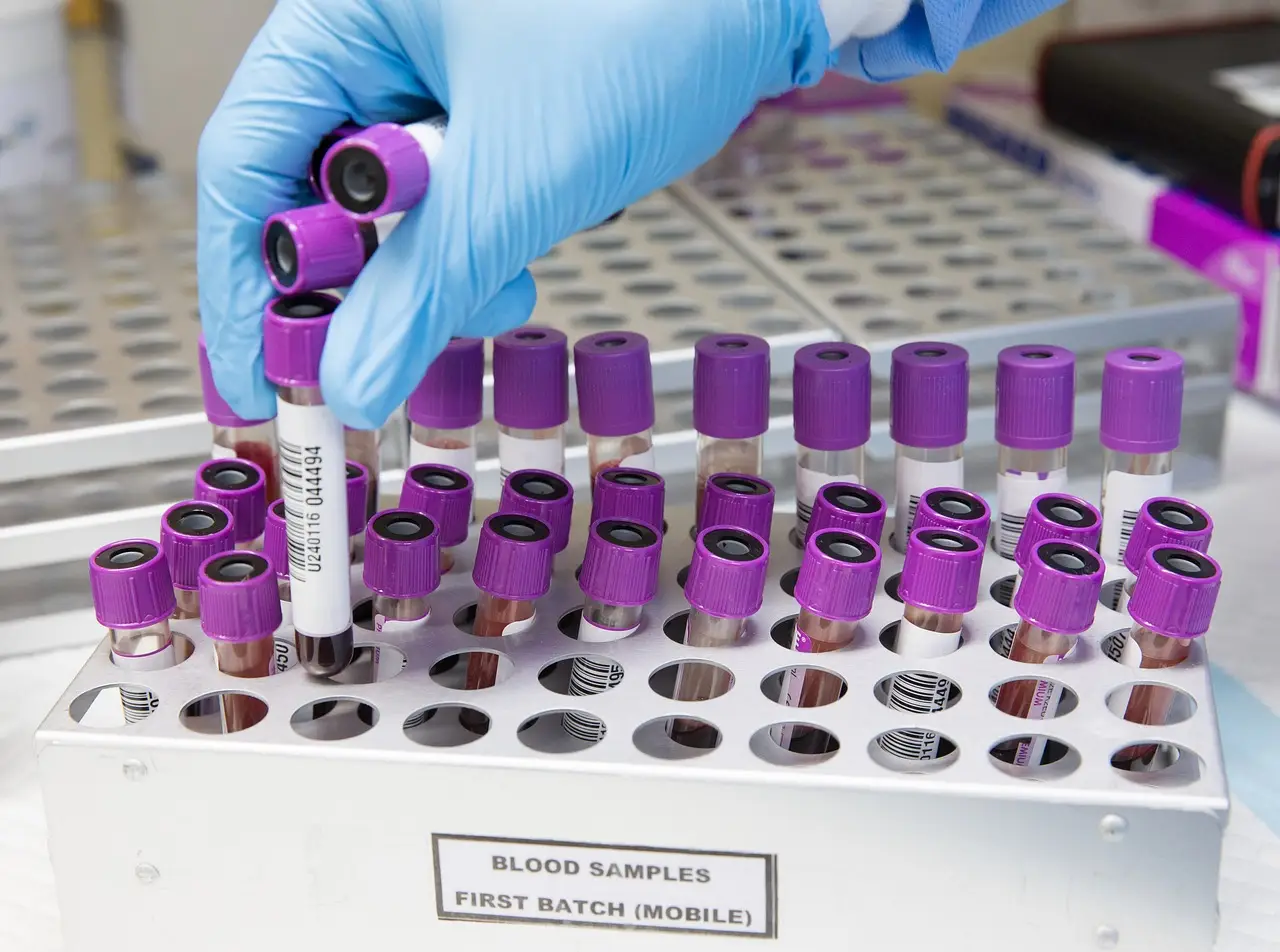
A cystatin C–based eGFR sitting at least 30% below the creatinine-based estimate carried a 69% higher all-cause mortality hazard in an individual participant–level meta-analysis of 821,327 outpatients published in JAMA (2025;334(21):1915-1926). Heart failure rates rose 54%. The signal persisted across eleven years of mean follow-up and, per the authors, argues for wider cystatin C measurement and expanded laboratory reporting.
What did the consortium analyze?
The Chronic Kidney Disease Prognosis Consortium (CKD-PC) pooled 23 outpatient cohorts totaling 821,327 participants — mean age 59, 48% female — plus 2 inpatient cohorts of 39,639 patients, mean age 67, 31% female. Every participant had concurrent creatinine and cystatin C measurements. The researchers defined a large negative difference as a cystatin C–based estimate (eGFRcys) at least 30% below the creatinine-based estimate (eGFRcr).
The context matters. The 2024 KDIGO guideline recommends eGFRcr as the starting point for adults at risk of chronic kidney disease, with a combined estimate (eGFRcr-cys) when cystatin C is available. How often the two markers diverge sharply, and what that divergence prognosticates, has been unclear. This analysis quantifies both.
How common is the gap?
Discordance was frequent and unevenly distributed:
- About 11% of outpatients had a large negative difference; 3.8% had a large positive one.
- Among hospitalized patients, roughly 35% had a large negative difference.
- Prevalence across outpatient cohorts ranged from 2.8% to 49.8%.
Older age, diabetes, heart failure, peripheral artery disease, COPD, liver disease, current smoking, and higher albuminuria all raised the odds of a large negative gap. Lower eGFRcr tracked with it too, though not consistently across eGFRcr categories.
What does the discordance predict?
Compared with outpatients whose eGFR difference fell between –30% and 30%, those with a large negative difference showed:
- All-cause mortality: 28.4 vs 16.8 per 1000 person-years (HR 1.69; 95% CI, 1.57–1.82).
- Cardiovascular mortality: 6.1 vs 3.8 per 1000 person-years (HR 1.61; 95% CI, 1.48–1.76).
- Atherosclerotic cardiovascular disease: 13.3 vs 9.8 per 1000 person-years (HR 1.35; 95% CI, 1.27–1.44).
- Heart failure: 13.2 vs 8.6 per 1000 person-years (HR 1.54; 95% CI, 1.40–1.68).
- Kidney failure with replacement therapy: 2.7 vs 2.1 per 1000 person-years (HR 1.29; 95% CI, 1.13–1.47).
Models adjusted for demographics, comorbidities, body mass index, eGFRcr category, and albuminuria.
One finding flipped. When the kidney failure model adjusted for eGFRcr-cys rather than eGFRcr alone, the association reversed (HR 0.73; 95% CI, 0.64–0.84). Mortality and cardiovascular associations persisted, with attenuated estimates.
"In the CKD-PC, 11% of outpatient participants and 35% of hospitalized patients had an eGFRcys that was at least 30% lower than eGFRcr," the investigators wrote. "In the outpatient setting, presence of eGFRcys at least 30% lower than eGFRcr was associated with significantly higher rates of all-cause mortality, cardiovascular events, and kidney failure."
What does this change for practice?
Two things, per the authors. First, cystatin C testing identifies many patients whose true GFR is likely worse than eGFRcr alone suggests, and those patients may benefit from a more precise estimate before clinical decisions — dosing, nephrotoxin exposure, referral thresholds. Second, the findings support laboratories reporting eGFRcys and eGFRcr-cys alongside eGFRcr as routine output rather than on-request add-ons.
The authors flagged older adults and patients with heart failure or liver disease as groups in whom cystatin C measurement is likely to be most informative — populations where creatinine-based estimates are least reliable because of muscle mass and secretion dynamics.
How solid is the evidence?
Caveats are real. Assay methods for both markers differed across cohorts. Outcomes relied largely on diagnosis codes. Confounder data on muscle mass were unavailable. The UK Biobank supplied about half of the outpatient population and was more than 90% White, though excluding it produced similar results. Hospitalized patients had no long-term outcome evaluation, so the 35% discordance figure there carries no prognostic anchor yet.
The mechanism is straightforward to state and hard to fully prove from this design: patients with low muscle mass, inflammation, or hepatic disease generate falsely reassuring creatinine estimates, and cystatin C unmasks the deficit. Residual confounding by the same comorbidities that drive both discordance and outcomes cannot be excluded. Even so, the mortality gradient across 821,327 participants, consistent across cohorts, makes the gap a risk marker worth measuring rather than ignoring.
Original: jamanetwork.com
More from James Calloway
Show full bio
News editor covering regulation, policy and their impact on Doctors' Insider is a professional daily at Doctors' Insider.
68 articles
Related articles
- Real-World Brexu-cel in MCL Hits 88% Response, Matches Trial Safety
- FDA Approves Obinutuzumab as First Primary Membranous Nephropathy Drug
- Complicated UTI Care Gaps Start Before the Script and Outlast It
- No ICD-10 Code for CKM Leaves Payers Unable to Cover Prevention
- FDA Approves Obinutuzumab as First Drug for Primary Membranous Nephropathy