Clade Ib Mpox Resurges in Brazil as Tecovirimat Fails Two Trials
Rio de Janeiro confirmed 180 mpox cases through Nov. 24, 2026, driven by clade Ib. Tecovirimat failed trials in clades I and II, leaving MVA-BN vaccination as the sole intervention.
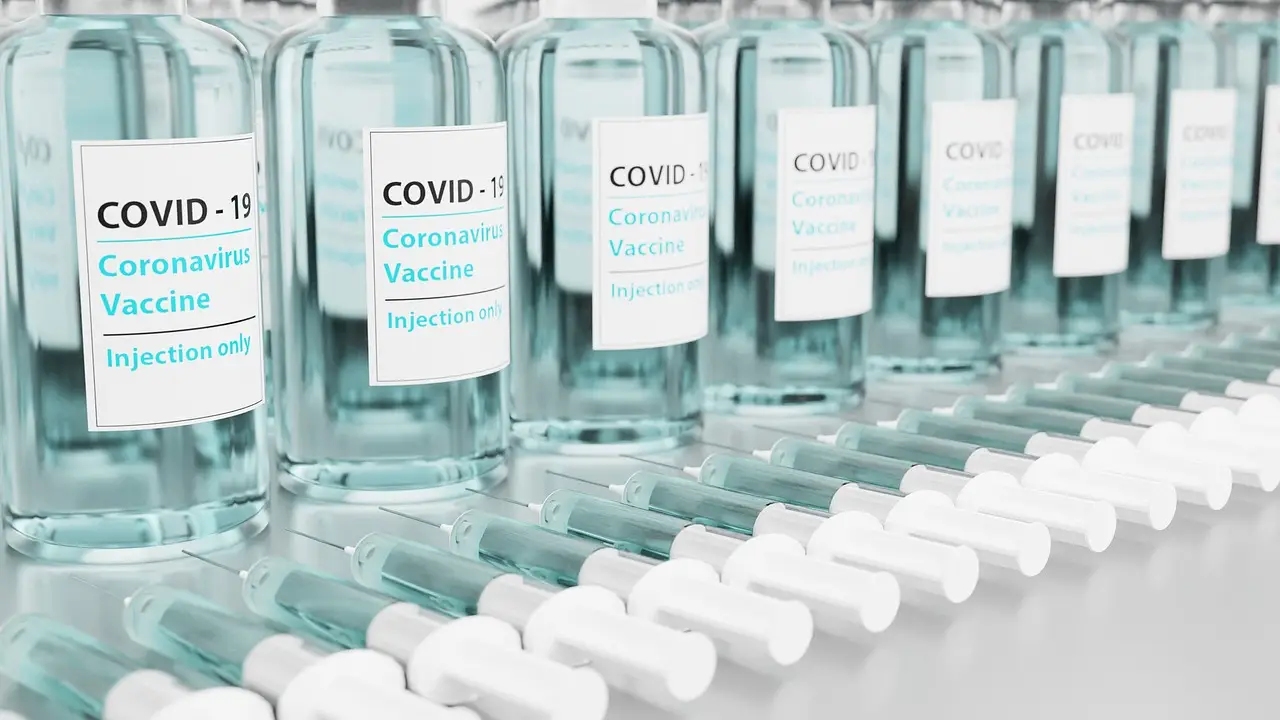
Rio de Janeiro confirmed 180 mpox cases between Oct. 1 and Nov. 24, 2026—more than 22 times the count for the same period in 2025—and the surge coincides with failed efficacy results for tecovirimat, the only antiviral available against the disease.
São Paulo state logged 128 cases from Oct. 1 through Nov. 17, nearly half of its total for the year. National figures remain modest: 1,429 confirmed cases and one death as of Nov. 23, against roughly 10,500 cases and 14 deaths in 2022. The national average, however, conceals the signal: the epidemic curve turned upward in September, concentrated in two state capitals, with a viral strain distinct from the one that drove the previous outbreak.
What has changed about the virus?
A clade is a group of viral lineages sharing a common ancestor. Clade Ib, first identified in 2023 in the eastern Democratic Republic of Congo, now predominates among sequenced samples; the 2022 outbreak was caused by clade IIb. The World Health Organization declared clade Ib an international public health emergency in August 2024 and later ended that designation after sustained declines in Central and East Africa, folding mpox control into long-term public health programs.
At the Fiocruz National Institute of Infectious Diseases (INI/Fiocruz), a leading mpox center in Rio, 43 of 62 samples identified between September and October 2026 belonged to clade Ib and only 19 to clade IIb. Clade Ib first appeared in Rio in March 2026, arriving via travelers, with the first evidence of community transmission—local infection without recent travel—early in the year. In October, the institute evaluated 130 suspected cases and confirmed 89.
Clade Ib has been linked to higher case fatality in Central Africa, but confounders there include malnutrition, coinfections and poor access to care. In the Rio cohort, INI/Fiocruz has found no clinically significant difference between clades so far. The vulnerable profile is unchanged: severe immunosuppression, pregnancy, young children. About 45% of Rio cohort patients are living with HIV.
Takeaway: the new clade is spreading locally in Brazil, but severity there looks similar so far.
Why did tecovirimat fail?
Tecovirimat entered the 2022 outbreak on the strength of U.S. smallpox approval based on animal data, since human testing was impossible after eradication of smallpox in 1980. Mpox changed that.
An April 2025 trial randomized 597 patients with clade I mpox in the Democratic Republic of Congo. Lesion clearance took seven days with tecovirimat versus eight with placebo—no statistically significant difference. A second trial, reported in February 2026, followed more than 400 adults with clade II mpox. By day 29, lesion resolution reached 83% with tecovirimat and 84% with placebo. The study found no evidence the drug accelerates lesion resolution in adults with clade II mpox.
Mpox therefore remains without a proven specific treatment. Brazilian clinicians still reserve tecovirimat for severe cases and immunosuppressed patients, despite no evidence it alters their course.
Takeaway: diagnosis, isolation and vaccination now carry the entire response.
What can the vaccine deliver?
The only mpox vaccine is MVA-BN (Jynneos), a third-generation, nonreplicating smallpox vaccine from Bavarian Nordic in Denmark. No randomized efficacy trial exists. Observational data, all from clade IIb in 2022, underpin WHO estimates: 76% risk reduction with one dose and 82% with two. Study-level estimates ranged from 35% to 86% for one dose and 66% to 90% for two.
A U.S. cohort of at-risk transgender men and women estimated 89% protection with the full series and 70% with one dose. A German study found 58% single-dose effectiveness overall but only 35% among people living with HIV—a material figure for Brazil, where nearly half of cases occur in patients with HIV. Post-exposure vaccination cut illness risk by roughly 20% and appeared to attenuate severity when it failed to prevent infection.
Two gaps remain. Antibody levels fall sharply between six and 12 months after the second dose while the cellular response persists; which measure predicts protection is unknown. And there are no clinical efficacy data against clade Ib. A British group showed in April 2026 that serum from 25 vaccinated health care workers neutralized clade Ib, though at consistently lower titers than against clade IIb. Animal models suggest cross-protection; its magnitude in humans is unknown.
Takeaway: the vaccine works reasonably well, but durability and clade Ib coverage are unproven.
What is the ministry doing?
Brazil's Ministry of Health bought vaccine through the Pan American Health Organization Revolving Fund, raising an initial order of 20,000 doses to 25,000 after negotiations with the manufacturer; distribution began Nov. 23. Earlier, 3,650 stockpile doses went to nine states, including Rio de Janeiro, Ceará and the Federal District. The ministry directs intradermal administration—one-fifth of the dose into the top skin layer, stretching each vial fivefold—a method adopted in the U.S. and Europe in 2022 with immune responses comparable to subcutaneous dosing. Thawed vials must be used within four weeks.
Vaccination is limited to people with HIV, PrEP users, laboratory staff handling the virus, and medium- or high-risk contacts of confirmed cases—no mass campaign, per WHO guidance. Delivery runs through immunization reference centers, not primary care clinics.
Supply is not the only bottleneck. Brazil distributed 49,000 doses between 2022 and 2023 and administered 14,395—under a third. In a survey of more than 9,500 people across sexual orientations and gender identities, only 4.9% reported at least one dose, with researchers citing limited availability and access barriers.
The ministry advises anyone with new skin lesions—especially with fever or swollen lymph nodes—to seek care and avoid close contact pending evaluation, and urges people with HIV to maintain antiretroviral therapy, since immunosuppression, not clade, determines severe outcomes.
Distribution through PrEP services and sexual health clinics, not hospitals patients never visit, will decide whether 25,000 doses arrive in time.
Source: Medical Xpress
More from Marcus Bennett
Show full bio
Staff writer covering companies, deals and strategy in Doctors' Insider is a professional daily at Doctors' Insider.
70 articles
Related articles
- Bundibugyo Ebola: 5,720 deaths and 260 attacks on health workers
- US Loses Measles Elimination Status; 5,412 Cases Confirmed in 2026
- mNEXSPIKE Cut COVID-19 Risk 35.9% vs Comirnaty in VA Veterans 65+
- 5,412 measles cases, no exposure code: the nine codes practices need
- U.S. Loses Measles Elimination Status It Held Since 2000