JAMA trial: Ambulance ceftriaxone fails to cut sepsis deaths
A 2,048-patient Ontario randomized trial found prehospital ceftriaxone given a mean of three hours before usual care did not reduce 90-day sepsis mortality: 18.0% versus 18.4%.
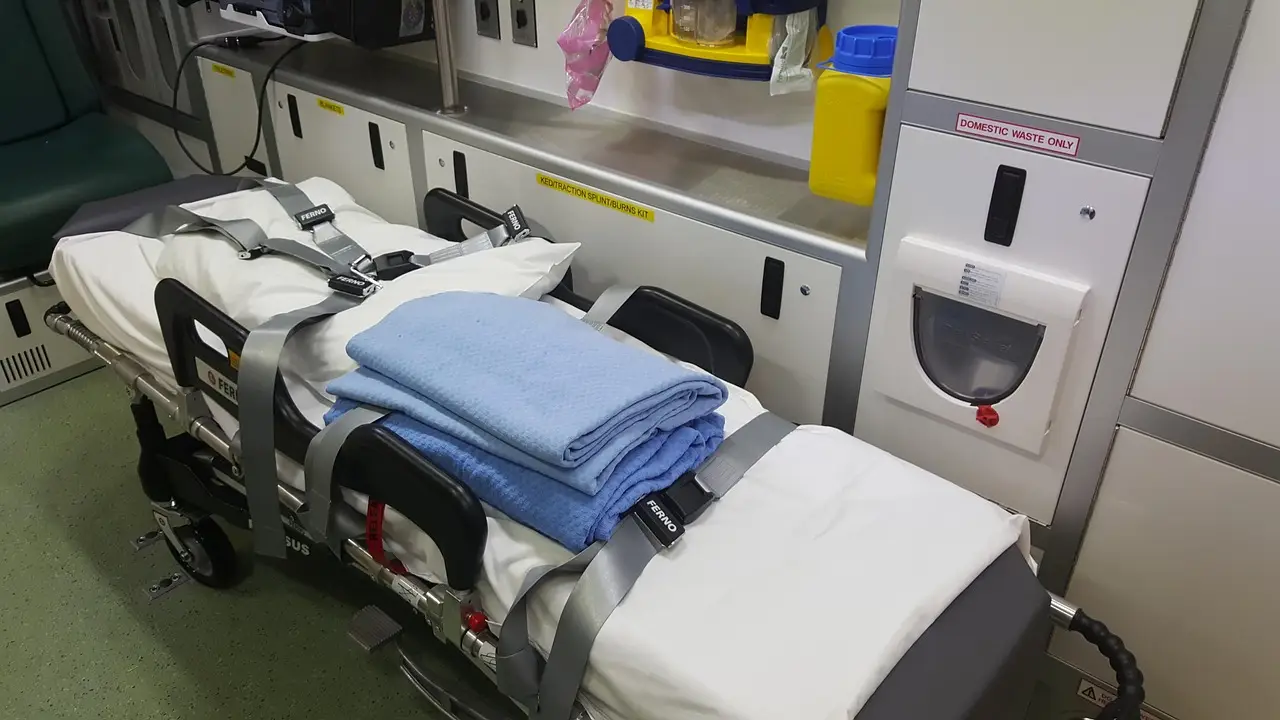
A randomized trial of 2,048 patients with suspected sepsis found that a prehospital dose of ceftriaxone given roughly three hours before usual in-hospital antibiotics did not change 90-day mortality: 18.0% in the ceftriaxone arm versus 18.4% in the placebo arm. Damon C. Scales and colleagues published the results in JAMA (DOI: 10.1001/jama.2026.25627).
Why anyone gave antibiotics in an ambulance
Sepsis mortality runs between 20% and 50%, and each hour of delayed treatment can reduce survival. International guidelines recommend early antibiotic administration, and because nearly half of sepsis patients arrive by paramedics, the guidelines conditionally recommend antibiotic treatment in the ambulance for patients whose expected in-hospital evaluation time is 60 minutes.
That recommendation rests on low-certainty evidence. Observational studies had found an association between earlier antibiotics and reduced mortality, particularly among ED patients and those with septic shock. The Canadian research team noted that randomized trials of earlier versus later antibiotics in the hospital would generally be considered impractical or unethical, and that the current trial overcame this by treating patients at the point of first contact, where such treatment is normally unavailable.
How the trial ran
The investigators worked with four large paramedic services and their destination hospitals in Ontario. They randomly assigned 2,048 patients with suspected sepsis — defined as suspected infection, fever and hypotension — to receive a shot of ceftriaxone or placebo during the ambulance ride. All patients received standard prehospital care and intravenous antibiotics once they reached the ED.
Paramedics, patients, clinicians and research staff were blinded to treatment assignments; ED physicians received an information sheet explaining the study. The primary outcome was 90-day in-hospital mortality.
What does the result mean?
The intervention worked as designed, and it still failed. The ceftriaxone group received the antibiotic within 37 minutes of paramedic arrival. Yet most patients in both arms — 92.5% of the ceftriaxone group and 92.2% of the placebo group — did not receive IV antibiotics in the hospital until more than three hours after paramedic arrival, at a mean of 201 minutes in the ceftriaxone group and 207 minutes in the placebo group.
"In this trial, prehospital antibiotics were given to patients with suspected sepsis and hypotension a mean of three hours earlier than when provided as part of usual care in hospital, yet this did not translate into differences in outcomes," the authors wrote.
The finding cuts against the hour-by-hour framing that drives current practice. The authors suggest two interpretations. In previous observational studies, early antibiotics may have served as a surrogate for other aspects of care that improved outcomes. Or, as they put it, "there is no benefit to providing antibiotics three hours earlier than usual care."
For systems weighing a conditional guideline recommendation with low-certainty evidence behind it, the trial now supplies randomized data on the other side of the ledger. A three-hour head start, at least in this population, bought nothing.
Source: Medical Xpress
More from Grace Kim
Show full bio
Market editor covering money, funding and market shifts around Doctors' Insider is a professional daily at Doctors' Insider.
69 articles
Related articles
- Sepsis AI Cut Mortality 18.7%; a Blanket Slowdown Would Protect Diagnostic Error
- FDA approves Bacfenssi, cutting colorectal SSI rate to 4%
- Cefiderocol Reached ICU Patients a Median 4 Days After Culture in PROVE
- Vanderbilt EHR alerts cut weekly pop-ups from over 700 to about 100
- Paxlovid cuts long COVID risk 12% in high-risk adults