Aficamten reduces LV mass and wall thickness in nonobstructive HCM
ACACIA-HCM linked aficamten to week-36 reductions in LV mass and wall thickness; the company plans a fourth-quarter 2026 FDA filing for nonobstructive HCM.
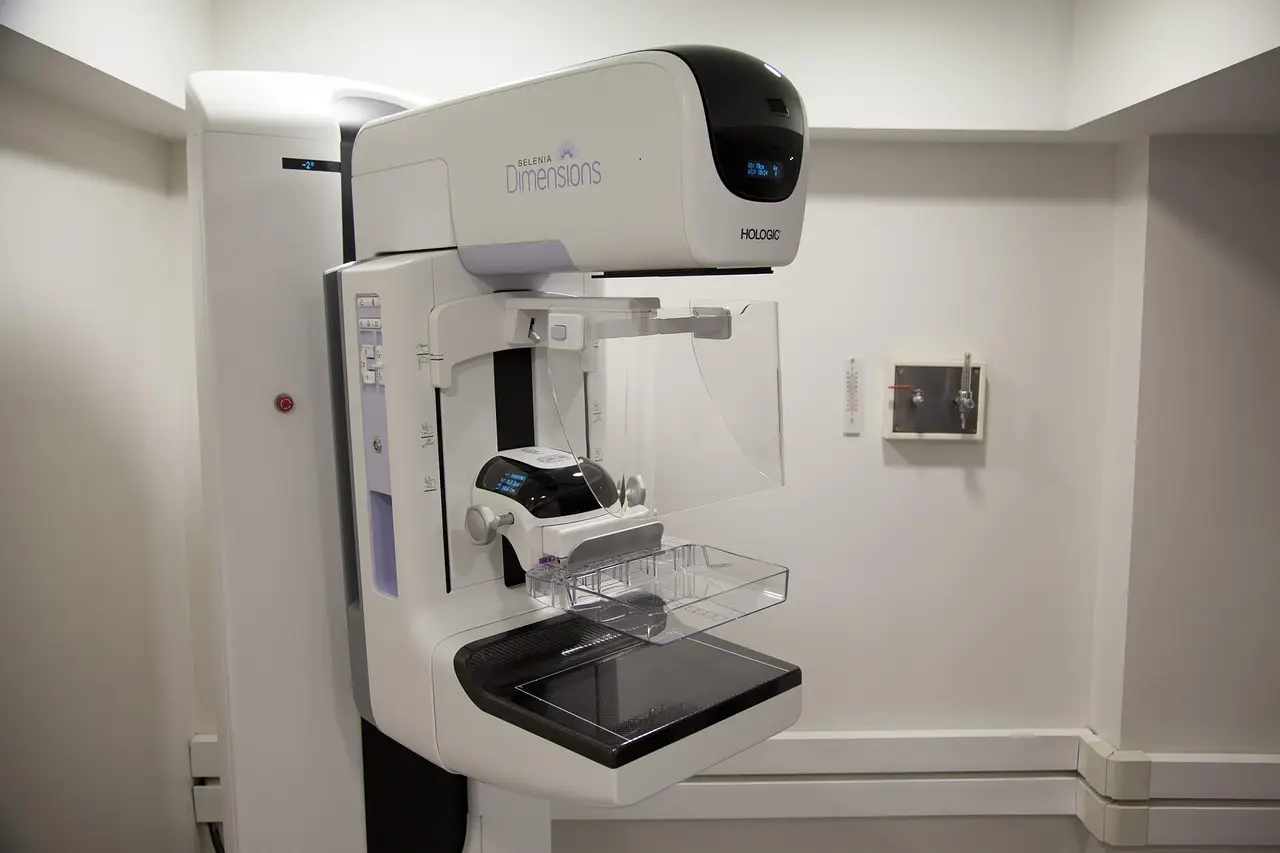
At week 36, aficamten reduced left ventricular mass index and wall thickness versus placebo in symptomatic nonobstructive hypertrophic cardiomyopathy, with both comparisons reaching P < .001.
The prespecified cardiac magnetic resonance substudy came from ACACIA-HCM (NCT06081894), presented at the Hypertrophic Cardiomyopathy Medical Society Scientific Sessions, held with the American Heart Association Scientific Sessions 2026 in Chicago. Cytokinetics disclosed the analyses in a Nov. 9, 2026 release.
The mass-index reduction primarily reflected lower myocardial cellular mass; extracellular matrix and fibrosis measures did not change significantly. Reductions in N-terminal pro–B-type natriuretic peptide (NT-proBNP) and high-sensitivity troponin I correlated with the structural changes, supporting the proposed mechanistic link between myosin inhibition, lower wall stress and reduced myocardial injury. Correlation stops short of causation.
Cytokinetics chief medical officer Stephen Heitner, MD, said: “The advanced imaging data provide crucial insights into favorable cardiac remodeling, showing that aficamten may reduce key structural markers of the disease.”
Cytokinetics plans to submit a supplemental new drug application to the U.S. Food and Drug Administration for aficamten in nonobstructive HCM in the fourth quarter of 2026. The FDA approved aficamten (Myqorzo), a cardiac myosin inhibitor, in December 2025 for adults with symptomatic obstructive HCM. No therapy is currently approved for the nonobstructive form.
What did patients report?
At week 36, aficamten improved the Kansas City Cardiomyopathy Questionnaire Overall Summary Score by 4.0 points more than placebo. The proportion improving beyond clinically relevant thresholds reached 33.7% with aficamten versus 22.5% with placebo; deterioration occurred in 7.4% versus 13.3%, respectively.
Cytokinetics reported that the between-group difference widened through week 72 and that the effects faded within four weeks of treatment withdrawal. Durability after discontinuation remains unproven. A four-week fade is not a durability win.
Did ACACIA-HCM meet its primary endpoints?
Masri and colleagues published the primary report online Aug. 28, 2026, in The New England Journal of Medicine (DOI 10.1056/NEJMoa2603021). The trial randomized 258 patients to aficamten and 259 to placebo.
- The Kansas City Cardiomyopathy Questionnaire Clinical Summary Score improved by 11.4 points with aficamten versus 8.4 with placebo; the least-squares mean difference was 3.0 (95% CI, 0.5–5.5; P = .021).
- Peak oxygen uptake increased by 0.64 mL/kg/min with aficamten versus essentially unchanged with placebo at −0.03 mL/kg/min; the difference was 0.67 mL/kg/min (95% CI, 0.2–1.1; P = .003).
Both primary end points favored aficamten. The efficacy result did not erase the safety signal: left ventricular ejection fraction (LVEF) fell below 50% in 10.5% of aficamten recipients versus 0.8% of placebo recipients. Serious adverse events occurred in 20.2% versus 14.7%, respectively.
What do the responder and extension analyses add?
Maron and colleagues’ five-domain global efficacy analysis, published in Circulation 2026;154(16):1547–1559 (DOI 10.1161/CIRCULATIONAHA.126.082026), favored aficamten for symptom improvement (71% versus 53%), NT-proBNP improvement (63% versus 5%), septal e′ velocity, a marker of diastolic function (51% versus 26%), and left atrial volume index improvement (31% versus 23%).
The peak oxygen uptake response reached 45% versus 37%, but that difference was not statistically significant. Overall, 53% of aficamten recipients versus 14% of placebo recipients responded on at least three of five domains.
The study researchers wrote: “In patients with nHCM, aficamten was associated with improvements across a broad range of clinically relevant measures, including symptom burden and diastolic function. These results underscore a potential benefit of aficamten in the population of patients with nHCM.”
A separate FOREST-HCM open-label extension (NCT04848506) tracked 410 patients with obstructive HCM receiving long-term aficamten. Twelve patients (2.9%) developed LVEF below 50%, a rate of 2.1 events per 100 patient-years; none fell below 40%. The investigators reported no heart failure hospitalizations or deaths linked to systolic dysfunction.
FOREST-HCM enrolled obstructive HCM, unlike ACACIA-HCM’s nonobstructive cohort, so its LVEF rate does not directly resolve the nHCM safety signal. Adjacent, not identical, evidence. For the planned fourth-quarter 2026 filing, the efficacy case is coherent; the LVEF signal remains the counterweight. The FDA will decide whether coherence is enough.
Original: clinicaltrials.gov
More from Amara Osei
Show full bio
Correspondent covering money, funding and market shifts around Doctors' Insider is a professional daily at Doctors' Insider.
60 articles
Related articles
- FDA Puts Head-to-Head MAPLE-HCM Data Into Aficamten Label
- Microneedle Patch Tracks Postsurgical Troponin Continuously
- ORION-4: Twice-yearly inclisiran cuts MACE in 16,000-plus patients
- Blinded RENEW data show FVC gains in 8 of 24 IPF patients
- Neural Network Reads ICD Signals to Predict Ventricular Fibrillation