Wolbachia mosquito releases cut arboviral infections 68.6% in Brazil trial
EVITA trial in Belo Horizonte: wMel Wolbachia mosquito releases cut arboviral infections 68.6% in 5,757 schoolchildren, during Brazil's largest dengue outbreak on record.
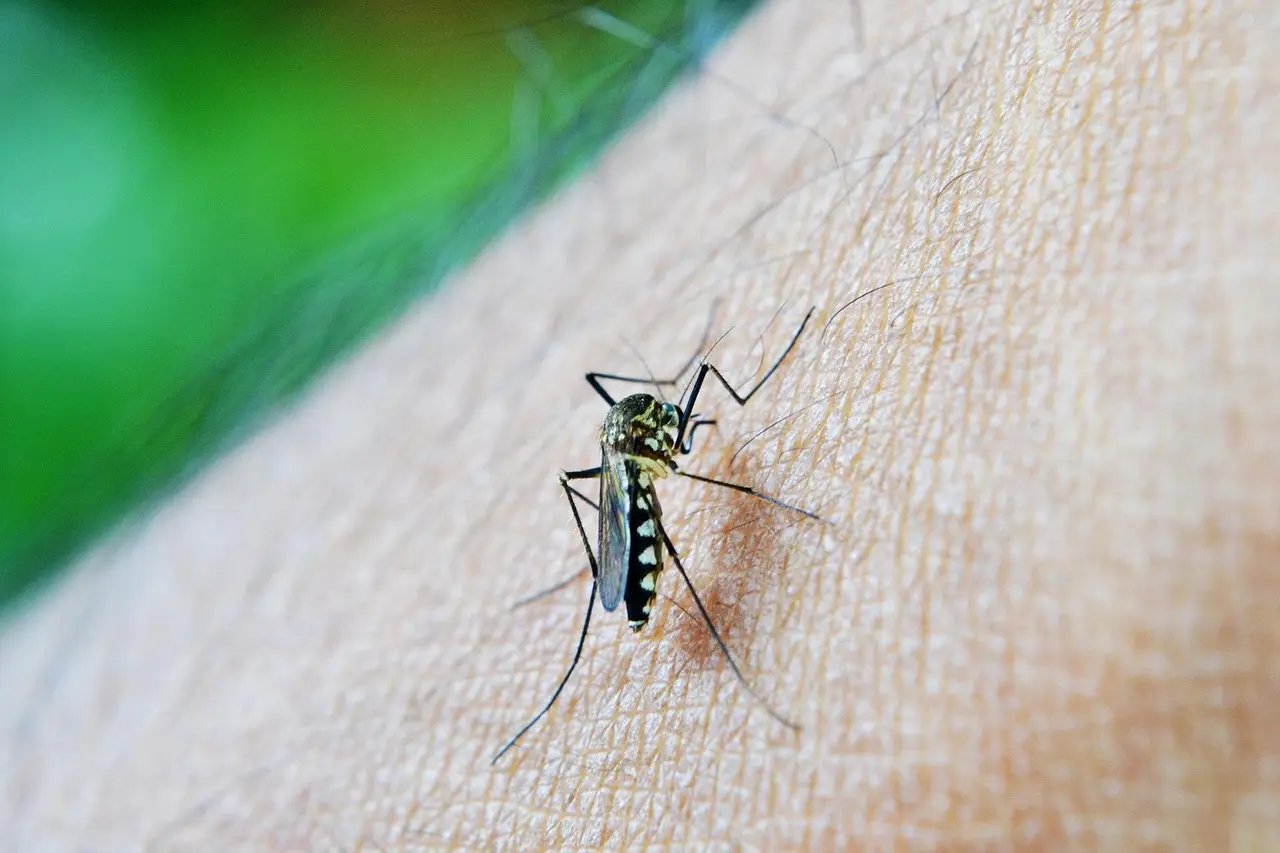
The EVITA dengue trial in Belo Horizonte, Brazil, reported 68.6% overall efficacy for Wolbachia-based (wMel strain) mosquito releases in reducing arboviral infections among schoolchildren aged 6 to 11. Investigators presented the results at the American Society of Tropical Medicine & Hygiene annual meeting in National Harbor, Maryland.
The bottom line: releasing Wolbachia-infected Aedes aegypti into school catchment areas cut infections by more than two-thirds under intense transmission conditions.
What did the trial test?
EVITA (EValuate the efficacy of Wolbachia-InfecTed Aedes aegypti mosquitoes in reducing the incidence of Arboviral infection) is a four-year, school-based, cluster-randomized, controlled trial conducted from 2020 to 2024. It enrolled 5,757 children across 58 school-defined geographic clusters:
- 29 clusters received wMel mosquito releases plus standard vector control (insecticidal sprays and source reduction)
- 29 clusters received standard vector control alone
Wolbachia is a naturally occurring bacterium that, when transinfected into Aedes aegypti, sharply reduces the mosquito's capacity to transmit dengue, Zika and chikungunya. The bacterium passes from female mosquitoes to offspring, spreading and stably establishing in the local population. Releases ran from January 2021 through May 2022.
The trial tested whether establishment of wMel mosquitoes in school catchment areas reduced arboviral infection incidence in children living in those communities. Children provided baseline blood samples in 2020 and annual collections through 2024, with serology for dengue, Zika and chikungunya antibodies.
What were the efficacy figures?
"Our findings in the EVITA trial show a 68.6% overall efficacy in reducing arboviral infection from this intervention," said Sri Edupuganti, co-principal investigator and professor in the Division of Infectious Diseases at Emory University School of Medicine. Stratified results:
- Dengue: 68.5% efficacy
- Chikungunya: 73.3% efficacy
"This means that children living in communities where Wolbachia-infected Aedes aegypti mosquitoes were established had substantially lower arboviral infection," Edupuganti said.
The results carry weight from context: in 2024, Brazil recorded its largest dengue outbreak in history, contributing to the largest global dengue burden ever reported. Derek Cummings, co-principal investigator and Bloomberg distinguished professor at Johns Hopkins University, said: "The intervention substantially reduced dengue infections during Brazil's largest recorded outbreak, demonstrating its potential to protect communities even under conditions of intense transmission."
Who ran the study?
An independent, multidisciplinary team from Brazil and the United States led the trial:
- Brazil: Universidade Federal de Minas Gerais (UFMG), World Mosquito Program (WMP), Fiocruz, Faculdade de Medicina de São José do Rio Preto (FAMERP)
- United States: Emory University, Yale University, Johns Hopkins University, University of Florida
"We are pleased to have developed this locally adapted strain from Belo Horizonte for the EVITA dengue trial and to achieve successful sustained establishment of the Wolbachia-infected mosquitoes for over three years," said Luciano Moreira of Fiocruz and the World Mosquito Program in Brazil.
Laboratory workload was substantial. Teams processed and tested tens of thousands of blood samples in the laboratory of Mauricio Nogueira at FAMERP in São José do Rio Preto. "Processing and analyzing thousands of samples over several years required an enormous laboratory effort from our team. This rigorous work was essential to generating these results, which represent an important advance in the fight against arboviral diseases," Nogueira said.
Mauro Teixeira, professor at UFMG and co-principal investigator, noted operational obstacles: "Conducting this study during the COVID-19 pandemic was an extraordinary challenge, particularly as schools closed just as we were beginning enrollment."
What are the implications for practice?
Albert Icksang Ko, co-principal investigator and Raj and Indra Nooyi professor of public health at Yale University, framed the stakes: "The EVITA trial findings represent an important step forward in the search for sustainable, scalable approaches to protect 4 billion of the world's population that live in regions, including parts of the U.S., where dengue, Zika and other Aedes aegypti mosquito-borne diseases occur."
The findings position the Wolbachia method as a potential addition to the vector-control armamentarium for dengue and other Aedes-borne diseases, with efficacy demonstrated during peak epidemic pressure.
One line: a self-sustaining biological intervention cut arboviral infections by roughly two-thirds where standard vector control alone did not.
Source: Medical Xpress
More from Marcus Bennett
Show full bio
Staff writer covering companies, deals and strategy in Doctors' Insider is a professional daily at Doctors' Insider.
64 articles
Related articles
- Genetically Attenuated Malaria Vaccine Blocks 87% of Infections in Phase 1 Challenge Trial
- Malaria monoclonal antibody L9LS protects infants but blunts R21 response
- Powassan antibodies found in 8.5% of children with early Lyme
- SCDM Switch Could Add 4,500 Infant Hospitalizations Per Birth Cohort
- Malawi genome study maps resistant E. coli between households