UC Davis, Michigan Teams Release Validated PROM for Diabetic Retinal Disease
A validated patient-reported outcome measure released at The Retina Society's 59th meeting scores functional vision, treatment burden and quality of life in diabetic retinal disease — domains visual acuity misses.
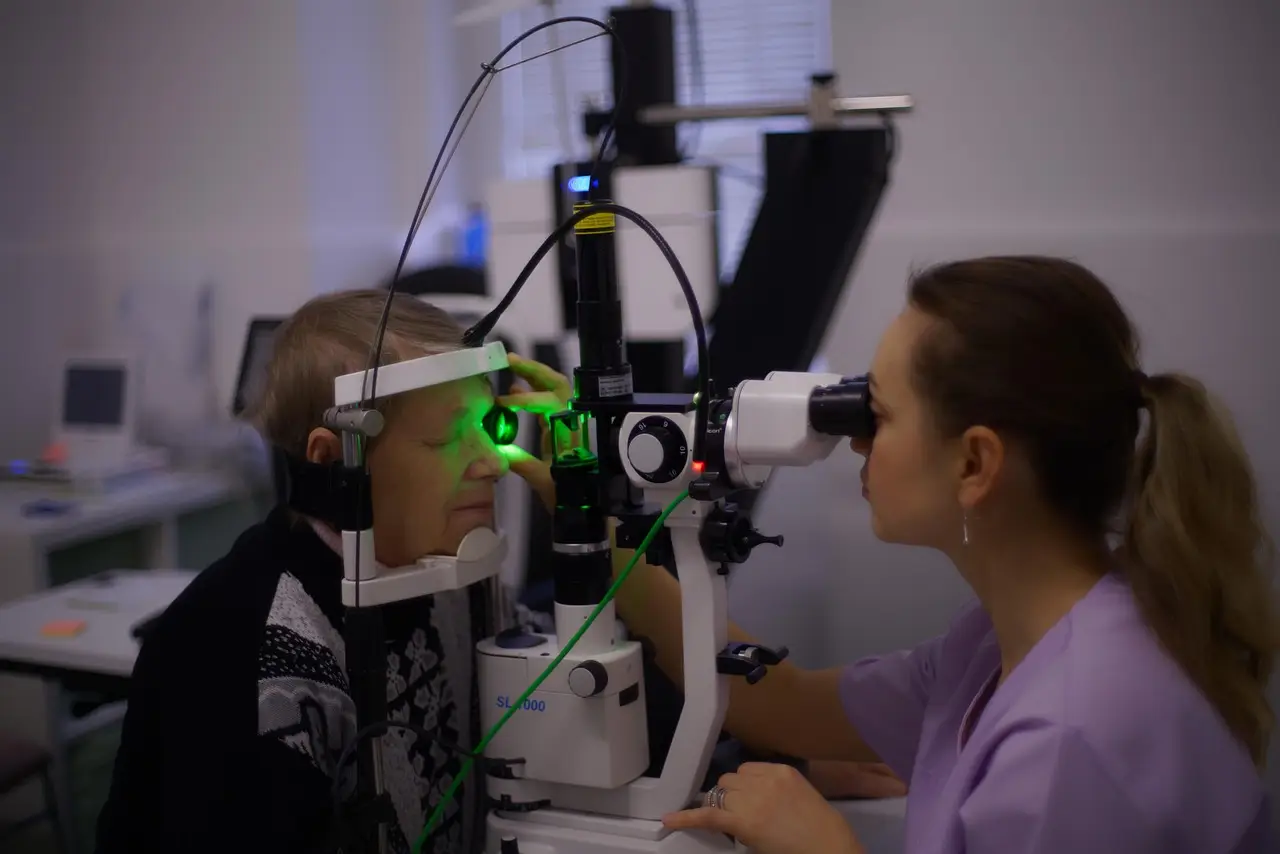
A validated patient-reported outcome measure (PROM) for diabetic retinal disease — the Mary Tyler Moore Diabetic Retinal Disease Questionnaire — was released at the 59th Annual Scientific Meeting of The Retina Society in Los Angeles. The instrument is designed to capture what visual acuity charts and retinal imaging do not: functional vision, quality of life, emotional well-being, treatment burden and barriers to care.
The developers are Thiran Jayasundera, the Natalie Fosse Endowed Chair in Vision Science Research and chair of the Department of Ophthalmology & Vision Science at the UC Davis School of Medicine, and colleagues at UC Davis and the University of Michigan. The instrument carries the name of Mary Tyler Moore, the television star of the 1960s and 1970s who experienced vision loss from diabetic retinal disease; the Mary Tyler Moore Vision Initiative was founded after her death to fund research aimed at preserving and restoring vision in people with diabetes.
"Patients often tell us they are struggling in ways that aren't reflected on a vision chart," Jayasundera said. "We did not have a way to capture how diabetic retinopathy was affecting patients in their everyday lives." The questionnaire is the field's answer to that gap, and it arrives as the epidemiology of the disease worsens.
Why a questionnaire, and why now?
Visual acuity has served for decades as the primary benchmark for evaluating diabetic retinopathy. Clinicians have long recognized a disconnect between what that metric captures and how patients actually function. The new PROM asks patients to rate difficulty on everyday tasks, on a scale ranging from no difficulty to inability to perform the activity because of vision. Representative items include:
- Reading small fonts — prescription bottles, nutritional labels, receipts — in low light.
- Seeing pedestrians cross the street at nighttime.
- Walking in unfamiliar places in low light.
The instrument then moves past function into emotional and social consequences. Patients rate how often they face challenges such as:
- Worry that poor vision will cause an injury, such as tripping or falling.
- Worry about future vision loss.
- Worry that vision will limit their ability to act as a provider or caregiver for family or friends.
A third domain probes psychological factors that may affect quality of life, treatment adherence and clinical outcomes. Sample statements ask patients to rate their agreement with:
- "I often think about what life would be like with normal vision."
- "The thought of receiving an eye injection makes me feel stressed."
- "The recovery time after an eye injection limits my ability to perform normal tasks."
That last pair matters for any practice running anti-VEGF injection schedules: injection-related stress and post-injection downtime are now scored variables, not anecdote. In short, the questionnaire converts functional, emotional and adherence-relevant complaints into standardized data.
What is the epidemiological backdrop?
Diabetic retinopathy develops when chronic hyperglycemia damages retinal blood vessels, and it is often asymptomatic in early stages. When symptoms appear they include floaters, blurred vision, poor night vision, blank scotomas in the visual field, faded color perception and vision loss.
The caseload is large and growing. The Centers for Disease Control and Prevention estimated that 9.6 million people in the United States had diagnosed diabetic retinopathy in 2021, including 1.84 million with the advanced, vision-threatening form. A previous study projects that figure will reach 16 million by 2050 as diabetes prevalence climbs nationally and globally. The case for a standardized patient-centered endpoint strengthens with each increment of that curve.
What does the instrument change for trials and clinics?
Jayasundera intends the PROM for dual use — clinical trials and routine care nationwide. In research settings, it provides a standardized way to measure patient-centered outcomes alongside conventional endpoints such as visual acuity and retinal imaging findings. In the clinic, it may surface concerns that shape quality of life but escape standard examination.
"This new measure is intended to serve as a standardized outcome measure for future diabetic retinal disease clinical trials as well as patient-centered care," Jayasundera said. "With a holistic and integrated approach, physicians and researchers can recognize the interconnectedness of visual, physical and psychological health, which can inform the development of more effective treatments and better health outcomes."
For trialists, the practical implication is a candidate endpoint that behaves consistently across sites. For retinal specialists in routine practice, it is a structured way to document the burden that patients already describe in the chair.
The takeaway: a validated, named PROM now exists to measure diabetic retinal disease beyond the eye chart, at the moment the U.S. patient population is projected to grow toward 16 million.
Source: Medical Xpress
More from Marcus Bennett
Show full bio
Staff writer covering companies, deals and strategy in Doctors' Insider is a professional daily at Doctors' Insider.
64 articles
Related articles
- FDA-Built AO-OCT Spots Glaucoma Progression 8 Months Before Standard OCT
- Ocular Surface Disease Spikes Sevenfold in Children After GVHD Diagnosis
- 86% of Pages Without RCT Support Make Unqualified Dry Eye Claims
- QBSAFE Cards Shift Diabetes Visits Without Adding Time
- FDA clears RadNet's Mammo Risk for 3D mammography