U.S. earns fifth straight D+ as preterm birth rate holds at 10.4%
The 2026 March of Dimes Report Card gives the U.S. a fifth straight D+ for preterm birth: 10.4%, nearly 380,000 births in 2025, persistent racial gaps and 649 maternal deaths in 2024.
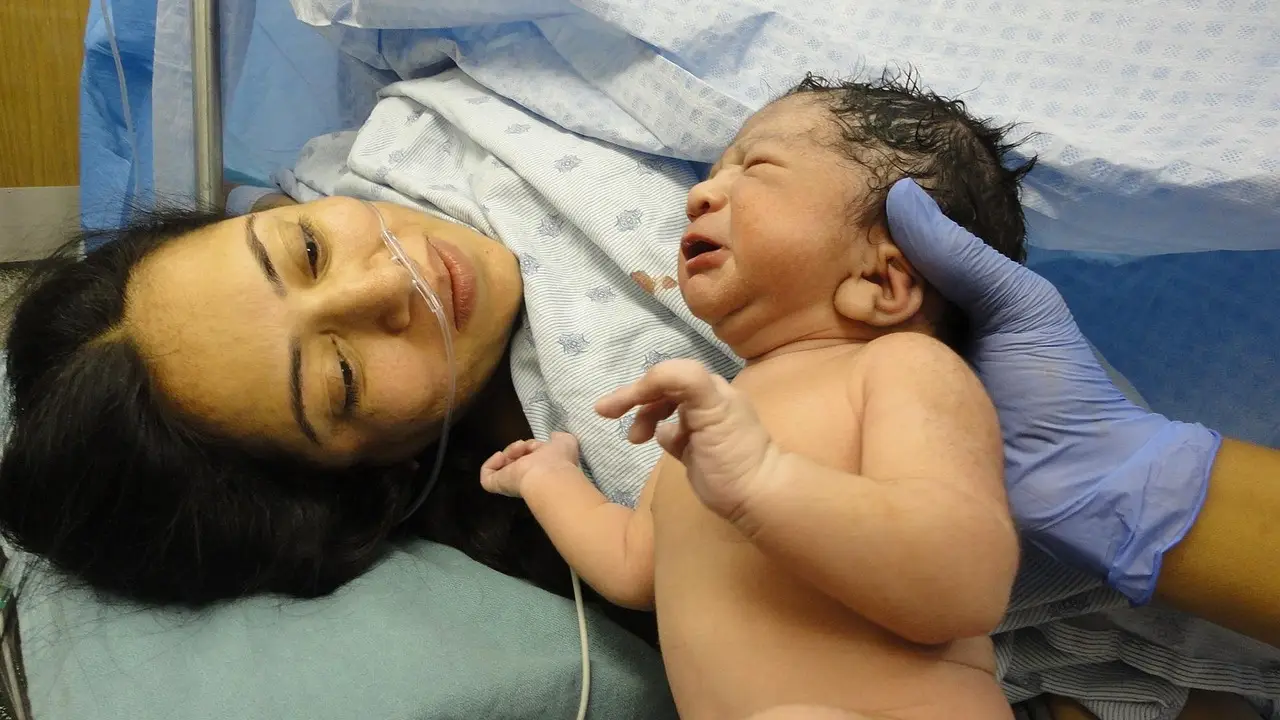
The United States earned a fifth consecutive D+ for preterm birth in the 2026 March of Dimes Report Card, released November 17, 2026: 10.4% of live births in 2025 were preterm, or nearly 380,000 babies.
The national rate has held at 10.4% for four straight years, while nine states met the Healthy People 2030 target of 9.4% of live births. Five identical grades make the plateau difficult to dismiss. A D+ is not a care plan.
Where did preterm performance move?
From 2024 to 2025, the report card found preterm birth rates improved in 23 states, worsened in 17 and did not change in 12, with the counts including the District of Columbia and Puerto Rico. Half of all states still received a D or F.
For 2023-2025, the rate was 14.8% among babies born to Black mothers, compared with 9.5% for White mothers and 9.2% for Asian mothers. By insurance, the rate was 11.7% for Medicaid-insured mothers and 9.6% for privately insured mothers.
What changed in maternal health?
Michael Warren, MD, MPH, FAAP, March of Dimes chief medical and health officer, said: “Declining maternal deaths and earlier prenatal care are bright spots in this year’s report and show that progress is possible.”
His warning was equally specific: serious complications can have lasting effects, substantial racial disparities persist, and progress must reach every family. He called for coordinated care before, during and after pregnancy to identify and manage hypertension and diabetes while closing gaps in care.
Maternal mortality returned to pre-pandemic levels, at 17.9 deaths per 100,000 live births in 2024, but 649 maternal deaths occurred that year. Across 2020-2024, mortality per 100,000 live births was highest among American Indian/Alaska Native women, at 58.9, and Black women, at 54.2, versus 14.3 among Asian women.
Severe maternal morbidity—unexpected labor and delivery outcomes with significant short- or long-term consequences—occurred at 98.8 per 10,000 hospital deliveries. Low-risk first-time mothers had a 26.8% cesarean delivery rate, and March of Dimes reported a statistically significant rise, with more than 330,000 such deliveries.
The report also logged increases in diabetes before pregnancy, at 7.7%; hypertension before pregnancy, at 5.9%; and hypertension during pregnancy, at 5.8%. In 2025, 1.4% of live births were exposed to prepregnancy diabetes, 3.6% to prepregnancy hypertension and 11.0% to hypertension during pregnancy.
First-trimester prenatal care reached 76.3% of births, and March of Dimes attributed the national increase to women insured through Medicaid.
What happened to infant mortality?
More than 20,000 babies died before their first birthday. The infant mortality rate was 5.5 deaths per 1,000 live births in 2024; the decrease from the prior year lacked statistical significance.
Among babies born to Black mothers, the 2022-2024 rate was 10.9 per 1,000, twice the national rate. North Carolina alone recorded a statistically significant improvement, a decline of more than 10%, although racial disparities within the state worsened.
Can care delivery change the grade?
Mark Simon, MD, MMM, chief medical officer of Ob Hospitalist Group, spoke to Contemporary OB/GYN. He said: “The fact that the U.S. has earned a D+ for preterm birth for the fifth consecutive year is a clear indication that we need to rethink how maternity care is delivered.”
He called earlier prenatal care encouraging but tied the stalled grade to rising hypertension and diabetes, persistent gaps in obstetric access, workforce shortages, rural access constraints and conventional staffing models that leave hospitals inconsistent in obstetric emergencies.
Simon argued that obstetric hospitalists can help hospitals fill shortages. He cited a 2023 Journal of Patient Safety study by Torbenson and colleagues, which linked obstetric and gynecologic hospitalist use with lower severe maternal morbidity in hospitals with 24/7 coverage. He proposed flexible rural staffing: an OB/GYN travels for a dedicated set of shifts rather than relocating.
Separately, Simon said Ob Hospitalist Group’s own clinical data showed a reduced C-section rate of 19.9%, compared with the national average of 26.9%. Simon also pointed to telemedicine that could reach maternal-fetal medicine patients who otherwise lack access, and collaborative teams of OB/GYNs, MFM specialists, certified nurse-midwives and advanced practice providers available when needed.
March of Dimes president and CEO Cindy Rahman described a multi-front response: research to predict and prevent preterm birth, clinical and community-based care for families facing barriers, NICU support and policy advocacy to expand access. She called for sustained commitment before, during and after birth and an end to preventable maternal and infant death.
As of October 1, 2026:
- 49 states and the District of Columbia had extended Medicaid coverage through 1 year postpartum; 40 states and DC had expanded Medicaid.
- 28 states and DC required Medicaid reimbursement for doula care; 30 states had a perinatal psychiatry consultation program.
March of Dimes urged federal and state lawmakers to sustain those policies and support paid family leave, maternal mental health screening and treatment, and comprehensive newborn screening.
Original: marchofdimes.org
More from Amara Osei
Show full bio
Correspondent covering money, funding and market shifts around Doctors' Insider is a professional daily at Doctors' Insider.
60 articles
Related articles
- Medicaid, 340B and PFS Cuts Head Post-Midterm Agenda as Democrats Take Congress
- Medicare improper payments hit 7.32%, $33.96B in FY 2026
- Medicare’s 2027 conversion factor and 20% E/M cut pressure physicians
- Black-White Mortality Gap Fell 56%-68% Since 1993, Study Finds
- CMS sets 2027 Medicare physician payment rates 2.31% lower