Single-cell profiles predict CML drug response within hours of first dose
Mass cytometry on 81 CML patients predicted 12-month response within hours of the first TKI dose, matching or beating current risk scores — with drug-specific predictive signals.
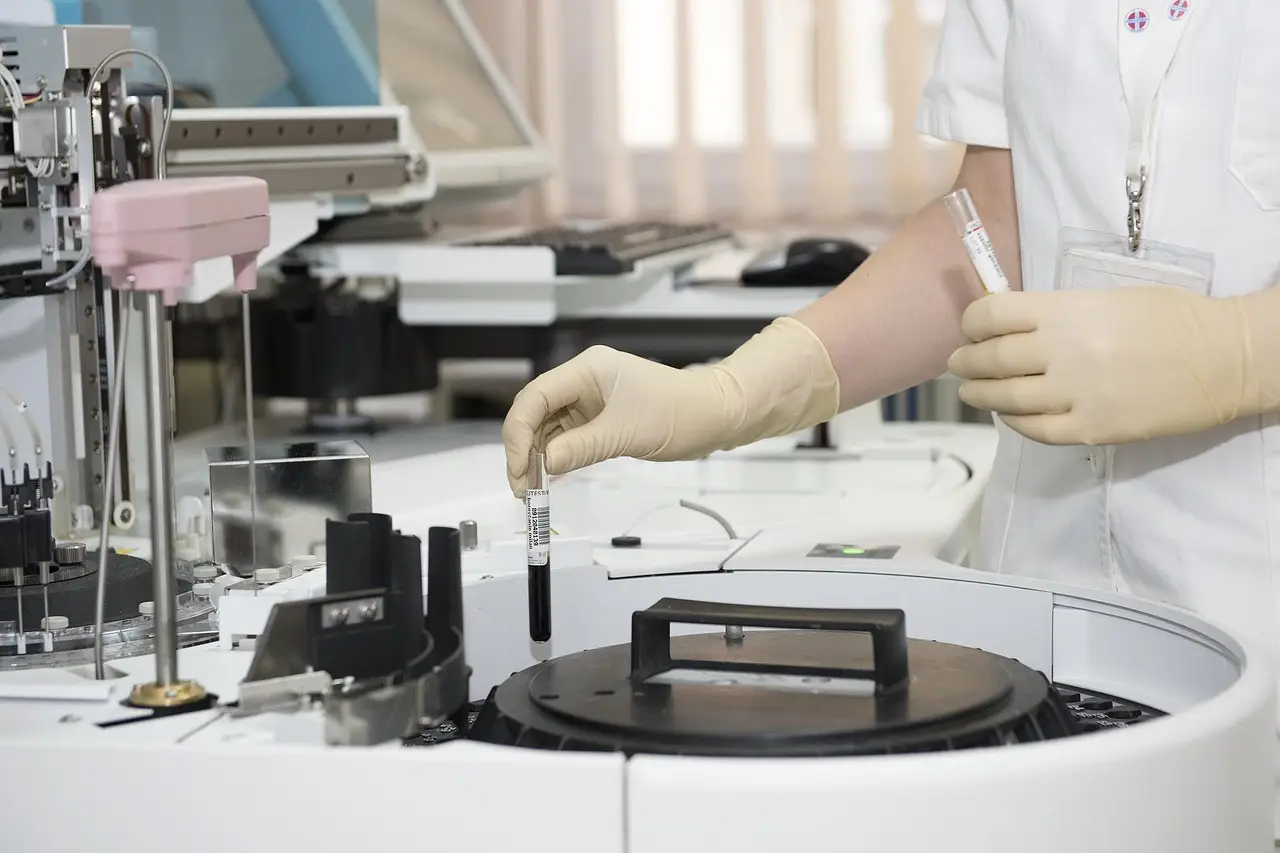
Measurements taken three hours after a first nilotinib tablet — or one hour after dasatinib — predicted each patient's leukemia burden at 12 months, according to a study published in Signal Transduction and Targeted Therapy (Gullaksen et al., DOI: 10.1038/s41392-026-03070-z).
The study analyzed blood from 81 newly diagnosed chronic myeloid leukemia (CML) patients in two trials: NordCML007, run by the Nordic CML study group, and Novartis's European ENEST1st trial. Researchers from six countries took part, including statisticians at Stanford University. The work was led by Stein-Erik Gullaksen and Professor Bjørn Tore Gjertsen at the K.G. Jebsen Center for Myeloid Blood Cancer, Haukeland University Hospital and the University of Bergen.
Why the clinical problem is real
CML is treated with daily tyrosine kinase inhibitors (TKIs), which block the overactive enzyme driving the disease. Most patients respond exceptionally well. But 30% to 40% eventually switch drugs — two in three switches stem from side effects, one in three from suboptimal leukemia response.
Today, response monitoring means a blood test every three months. A failing drug can take months to reveal itself. That delay is what the Bergen group set out to collapse.
What the researchers measured
The team sampled blood just before the first dose and again at each drug's plasma peak: one hour post-dose for dasatinib, three hours for nilotinib. They used mass cytometry (a technique measuring more than 40 proteins in each individual cell) to identify 37 blood and immune cell types plus the chemical signals active inside them. In total, they analyzed 44 million cells from patients and healthy volunteers.
Within hours of the first dose, both drugs sharply reduced overactive signaling in leukemia cells — including rare cells resembling leukemic stem cells, the population thought to sustain the disease through treatment.
What does this change for drug selection?
A machine-learning model combined each patient's measurements into a personal profile. These profiles predicted how much leukemia would remain in the blood after 12 months, performing as well as or better than the risk score physicians currently use at diagnosis.
The predictive signals differed by drug. Dasatinib also acts on the immune system; in patients taking it, the best predictors were baseline leukemia burden plus the activity of T cells and natural killer cells. Nilotinib acts more selectively on the leukemia; in that arm, the best predictors were survival and cell-death signaling inside the rare stem-cell-like cells.
That divergence is the clinically interesting part. It raises the possibility of matching each patient to the right TKI at diagnosis rather than discovering the mismatch months later. The idea now requires testing in prospective trials.
"Today, patients and doctors have to wait months to learn whether a treatment is working," Gullaksen said. "Our results show that important clues are already in the blood within hours of the first tablet. Single-cell profiling like this could become a next-generation white blood cell count — a test as precise as the targeted drugs it guides."
What comes next
The findings need confirmation in larger, independent patient cohorts before routine use. Mass cytometry remains a research instrument, housed mainly in specialist laboratories, so the researchers propose a simplified assay adapted to the routine flow cytometers already available at university hospitals treating CML.
The results form the scientific basis for SWITCH, an upcoming trial led by the K.G. Jebsen Center in Bergen. It will use an early single-cell readout to guide drug choice in real time. The researchers also believe the approach could extend to other cancers treated with similar targeted agents.
Source: Medical Xpress
More from James Calloway
Show full bio
News editor covering regulation, policy and their impact on Doctors' Insider is a professional daily at Doctors' Insider.
68 articles
Related articles
- Azacitidine kills leukemia cells via RNA, not DNA, study shows
- FDA Grants Accelerated Approval to Neladalkib for Post-Alectinib ALK-Positive NSCLC
- Real-World Brexu-cel in MCL Hits 88% Response, Matches Trial Safety
- FDA approves bezuclastinib-sunitinib as second-line GIST therapy
- TriPRIL CAR-T hits 80% response in BCMA-relapsed myeloma