Prostate cancer guideline sets PSA thresholds, adds MRI and surveillance
The 2026 ACS guideline sets age-based PSA thresholds, favors repeat testing, MRI or biomarkers before biopsy, and recommends active surveillance for low-risk disease.
A 3.0 ng/mL PSA now triggers repeat testing—not an automatic biopsy—for men aged 69 or younger under the American Cancer Society’s 2026 guideline for early prostate cancer detection. For men aged 70-74, the abnormal threshold rises to 6.5 ng/mL.
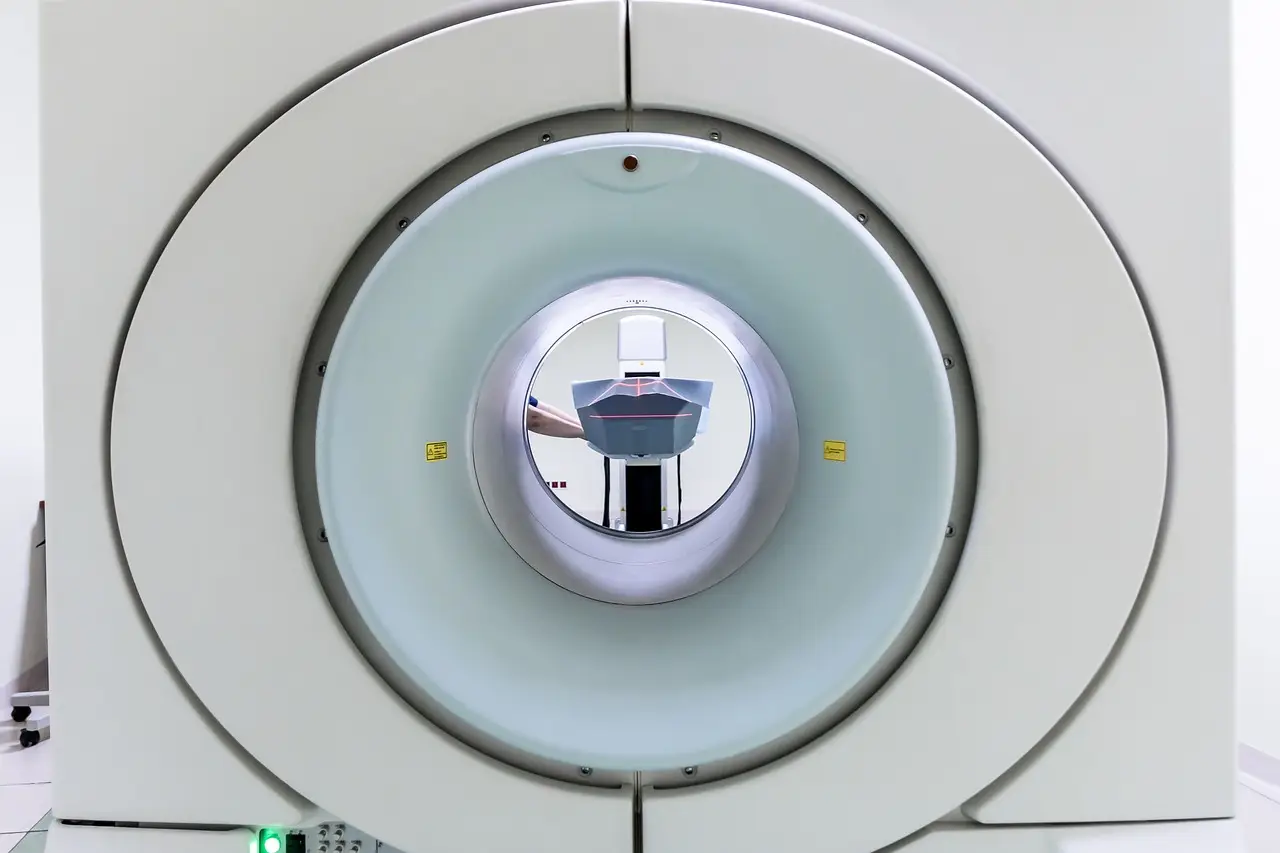
Clinicians should repeat an abnormal PSA preferably within 2 weeks to 3 months, then use prostate MRI and/or a validated biomarker with high sensitivity for clinically significant cancer before deciding on biopsy.
What changes in primary care?
The ACS sets three operational screening rules:
- Average-risk men aged 50-69: PSA screening every 2 years.
- Black men aged 45-69: annual PSA screening.
- Men aged 75 or older, or anyone with a life expectancy below 10 years: no screening recommendation, a grade D recommendation.
Race, family history, age, life expectancy and patient preference should shape each decision, particularly for men aged 70-74, where net benefit remains uncertain. Clinicians should discuss potential mortality reduction alongside false positives, unnecessary biopsies, overdiagnosis and treatment complications.
Men with known or suspected hereditary cancer syndromes, including BRCA2 mutations, should receive individualized risk assessment and follow relevant specialty screening recommendations. ACS also rejects digital rectal examination as a primary screening test, a grade D recommendation supported by high-certainty evidence.
These recommendations supersede ACS guidance published in 2010 because advances in secondary testing and surveillance strategies have shifted the balance of benefits and harms.
Takeaway: Screen by risk, confirm abnormal PSA results and avoid reflexive biopsy.
How should an abnormal PSA be handled?\n
For most men with persistently elevated PSA, the guideline directs clinicians to prostate MRI and/or a validated biomarker test rather than biopsy based on PSA alone. The goal is fewer unnecessary biopsies and clearer separation of clinically significant cancer from lower-risk disease that may not require immediate treatment.
Clinical value depends as much on follow-up testing and management as on detecting an elevated PSA. Wider use of MRI, validated biomarkers and active surveillance could reduce some harms historically associated with PSA-based screening.
Takeaway: MRI or a validated biomarker should determine who proceeds to biopsy.
When should low-risk cancer start under surveillance?\n
ACS recommends offering active surveillance first to men diagnosed with low-risk prostate cancer, rather than immediate definitive treatment. Surveillance typically combines serial PSA testing, prostate MRI and repeat biopsies; treatment follows evidence of progression or a patient’s decision to intervene.
The strategy aims to reduce urinary incontinence, erectile dysfunction and bowel dysfunction from unnecessary treatment in cancers that may never become clinically significant.
Takeaway: Low-risk cancer can begin under surveillance, with treatment reserved for progression or patient choice.
What does 23-year screening evidence show?\n
In the European Randomized Study of Screening for Prostate Cancer, PSA-based screening was associated with a 13% reduction in prostate cancer mortality after 23 years among men aged 55-69 (rate ratio 0.87; 95% CI 0.80-0.95). The relative benefit was smaller than in earlier analyses, while the absolute mortality reduction rose from 0.07% at 9 years to 0.22% at 23 years.
The number needed to invite for screening to prevent one prostate cancer death fell from 1,410 to 456 over the same period. ERSPC also found fewer metastatic diagnoses, while long-term population studies have documented changes in advanced-stage disease associated with screening practices.
Persistent disparities support more intensive recommendations for Black men: prostate cancer incidence is approximately 67% higher, and mortality is nearly twice that of White men. The guideline appears as Hoffman RM, Wolf AMD, Etzioni RD, and colleagues, CA Cancer J Clin. 2026;e70112, doi:10.3322/caac.70112.
The authors concluded: “Accumulating evidence supports PSA-based screening to reduce prostate cancer mortality and advanced-stage diagnoses, with risk-stratified screening and modern diagnostic strategies offering opportunities to improve outcomes while minimizing unnecessary interventions.”
Takeaway: PSA screening offers a modest long-term mortality gain, making disciplined follow-up essential.
Original: acsjournals.onlinelibrary.wiley.com
More from Elena Vasquez
Show full bio
Senior reporter covering people, launches and day-to-day practice in Doctors' Insider is a professional daily at Doctors' Insider.
63 articles
Related articles
- 20-Year Data: PSA Screening Cuts Deaths, Buys Overdiagnosis
- FIT cutoff of 10 fails younger patients: 1-in-300 yield under 50
- PER3 genotype predicts when prostate radiotherapy hurts most
- Only 13.2% would have met 2021 lung cancer screening criteria
- FIB-4 triage rules out advanced fibrosis in 67% of diabetes patients