One in three lung cancer patients on ADCs hit by pulmonary toxicity
A meta-analysis of 24 trials and over 4,000 SCLC/NSCLC patients found 33% pulmonary adverse events with ADCs, 7% severe, with discontinuation above 6% and mortality near 2%.
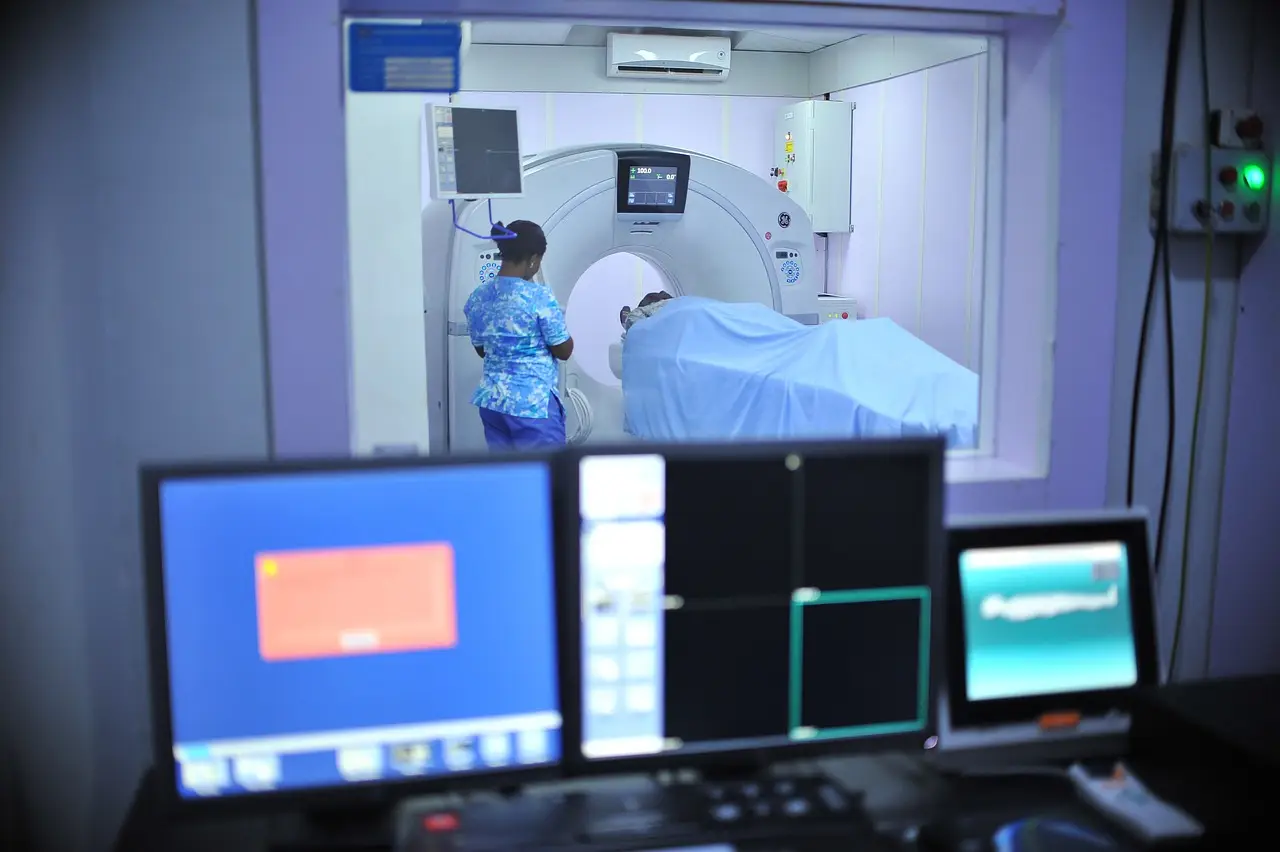
One in three patients with small cell or non–small cell lung cancer treated with antibody-drug conjugates (ADCs) experienced a pulmonary adverse event, according to a meta-analysis published in the Journal of Thoracic Oncology. Seven percent developed severe lung toxicity.
The study, led by Christian Rolfo, M.D., Ph.D., thoracic oncologist and director of the division of medical oncology at The Ohio State University Comprehensive Cancer Center–James, pooled data from 24 trials enrolling more than 4,000 patients with SCLC and NSCLC. Co-authors included scientists from Mount Sinai in New York and institutions in Italy and Argentina.
The paper is Rodrigo Paredes de la Fuente et al., Pulmonary Toxicities of Antibody-Drug Conjugates in SCLC and NSCLC: A Systematic Review and Meta-analysis, Journal of Thoracic Oncology (2026), DOI: 10.1016/j.jtho.2026.104177.
What do the numbers show?
The analysis quantified the clinical burden of ADC-associated lung injury in lung cancer populations:
- Pulmonary adverse events of any grade: 33% of patients.
- Severe lung toxicity: 7%.
- Lung inflammation (pneumonitis) or interstitial lung disease: 8% of patients.
- Treatment discontinuation driven by pulmonary toxicity: more than 6%.
- Death attributable to lung complications: nearly 2%.
Histology mattered. Overall lung toxicities occurred more frequently in small cell lung cancer, while lung inflammation was more common in non–small cell lung cancer.
The takeaway in plain words: pulmonary toxicity is common enough with ADCs in lung cancer that surveillance and management must be built into routine practice, not handled reactively.
Why the timing matters now
ADCs, a class that links a chemotherapy payload to an antibody for targeted delivery to cancer cells, are typically deployed after recurrence or failure of other therapies. Several ADCs already hold FDA approval for specific NSCLC subsets, and many more are under investigation in trials. The class is also established in breast cancer treatment.
That expanding footprint means a growing number of lung cancer patients will be exposed, and the toxicity signal will scale with it. Rolfo framed the clinical imperative directly.
"As we use ADCs to deliver more precise lung cancer treatment, we need to make sure we are equally sophisticated in how we monitor patients and manage their side effects across our care teams," said Rolfo, who also serves as associate director for early-phase clinical trials at the OSUCCC–James.
How is toxicity currently detected and managed?
Current practice relies on symptom-triggered evaluation. Patients on ADCs are monitored for new cough and dyspnea; when concern arises, imaging and pulmonary workup follow. Management depends on severity and the specific agent:
- pause treatment
- intensified monitoring
- symptomatic treatment
- dose adjustment
- discontinuation in more severe cases
No standardized prospective screening protocol exists, and the study authors argue that late detection is the core problem the field must fix.
The takeaway: today's paradigm is symptom-first, which by definition catches toxicity after it is clinically apparent.
What is Ohio State changing?
Rolfo described two institutional responses at OSUCCC–James. First, dedicated side-effect clinics are being strengthened, with pulmonologists embedded in the evaluation and management of patients who develop lung complications from cancer therapies.
Second, the team is applying advanced CT image analysis to test whether subclinical imaging changes can flag lung toxicity earlier and identify patients at elevated risk before symptoms emerge.
"At Ohio State, we are strengthening our dedicated side effect clinics and have pulmonologists involved in evaluating and managing patients who develop lung complications from cancer therapies," said Rolfo.
"Our team also is using advanced analysis of CT imaging to explore whether small imaging changes may help us recognize lung toxicity earlier and identify patients at increased risk," he said.
The takeaway: the immediate clinical move is earlier pulmonary involvement and imaging-based risk stratification in ADC-treated lung cancer patients.
ADCs are not yet standard for every lung cancer patient, but the approval pipeline and trial activity point one direction, and the toxicity data point to the same conclusion: monitoring must catch up with the drug class.
Source: Medical Xpress
More from Marcus Bennett
Show full bio
Staff writer covering companies, deals and strategy in Doctors' Insider is a professional daily at Doctors' Insider.
66 articles
Related articles
- ADC ADCE-D01 Shrinks Tumors in 30% of Sarcoma Patients in Phase I
- FDA Grants Accelerated Approval to Neladalkib for Post-Alectinib ALK-Positive NSCLC
- ASCL1 Subtype Predicts Tarlatamab Benefit in Small Cell Lung Cancer
- Pembrolizumab Doubles Five-Year Recurrence-Free Survival in KEYNOTE-671
- Only 13.2% would have met 2021 lung cancer screening criteria