NHS launches world's largest AI breast screening trial: 700,000 women
England's NHS has launched a £10 million, three-year trial of AI-assisted mammogram reading covering nearly 700,000 women at 30 sites, testing single-radiologist reads against the current two-reader standard.
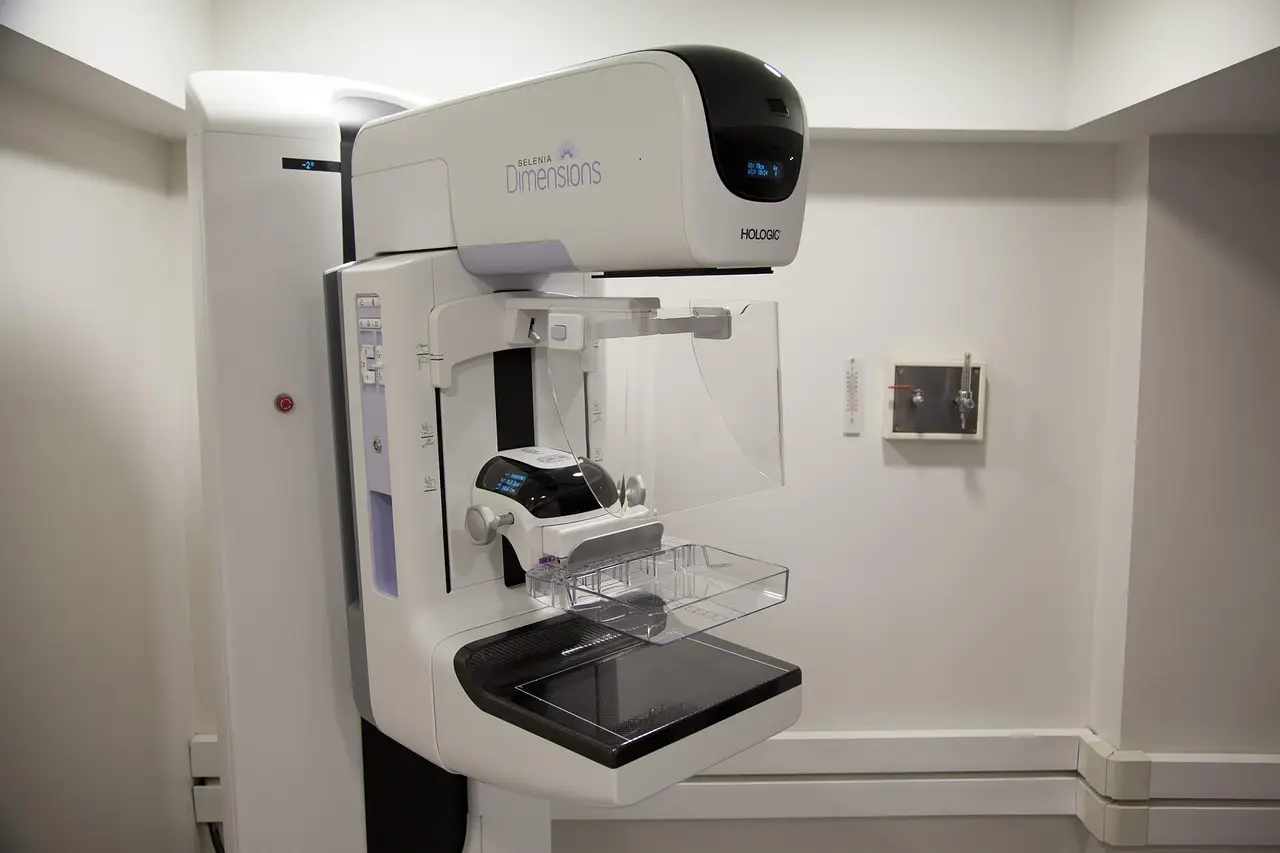
Nearly 700,000 women will pass through the world's largest AI-assisted breast cancer screening trial, which England's NHS launched Monday with a £10 million ($13 million) commitment running over three years.
The National Health Service announced the program as hundreds of women had already received invitations, with recruitment open at Cambridge University Hospitals. Twenty-nine more of the 30 planned sites will open across England in the coming months.
The University of Warwick, the University of Cambridge and Cambridge University Hospitals NHS Foundation Trust lead the trial, working with NHS England.
What does the trial actually test?
The core question is workflow: can AI-assisted reading tools let most mammograms be reviewed by one specialist instead of the current two? The tool will run alongside clinicians as they check routine screening images, flagging cancers too small to see or feel.
Women aged 50 to 71 attending routine breast screening at participating sites will get trial details and will be enrolled unless they opt out. The NHS stressed that appointments proceed as normal — the AI tool sits next to the specialists, not in place of them.
Health Secretary Yvette Cooper called it "the biggest AI breast cancer trial in the world" and pledged "proper safeguards" to ensure safety and effectiveness. She said the technology's "huge potential" could translate into faster diagnosis: "If successful, this technology could help women get a breast cancer diagnosis and start treatment much more quickly, giving them the best possible chance of recovery."
The prize, if the single-reader model holds up, is twofold: better early detection and freed-up specialist time in a screening program that handles serious volume.
Why the numbers matter
Breast cancer is the most common cancer in women in the U.K., with around 55,000 diagnoses a year. Women aged 50 to 71 are invited for screening every three years — roughly 2.1 million mammograms annually. The NHS estimates that screening prevents around 1,300 deaths per year.
Scaling AI reads across a program of that size is the real test. A 700,000-woman sample over three years dwarfs prior evidence.
What does the prior evidence say?
A study published in The Lancet in January found AI can improve breast cancer detection through more effective screening while cutting radiologists' workloads. It analyzed nearly 106,000 mammograms from Sweden's national screening program, covering women with a median age of 53, from April 2021 to early December 2022.
The Swedish data pointed the same direction the NHS trial will now stress-test at seven times the scale. If one-specialist reads with AI support match or beat double reading, England's mammography workforce math changes fast.
Bottom line: opt-out enrollment starts now at Cambridge, results will hinge on whether AI-assisted single reading holds detection rates across 700,000 women — and the two-reader standard is what's on the table.
Source: Medical Xpress
More from Elena Vasquez
Show full bio
Senior reporter covering people, launches and day-to-day practice in Doctors' Insider is a professional daily at Doctors' Insider.
63 articles
Related articles
- Sepsis AI Cut Mortality 18.7%; a Blanket Slowdown Would Protect Diagnostic Error
- 81% of Physicians Use AI; 60% of Patients Are Not Comfortable With That
- FDA Clears Bracco's Uptunity AI for Brain Aneurysm Detection on CTA
- Systematic review of 20 studies maps what drives clinician AI adoption
- FOX RAG System Scores 0.8–0.95 G-Scores Across GPT-5, 4o and o1