Hillsborough County targets 3.5-minute whole-blood drone delivery
Hillsborough County says its first-of-its-kind drone program targets blood within 3.5 minutes across 70 square miles; Archer has answered 15 calls since May 2024.
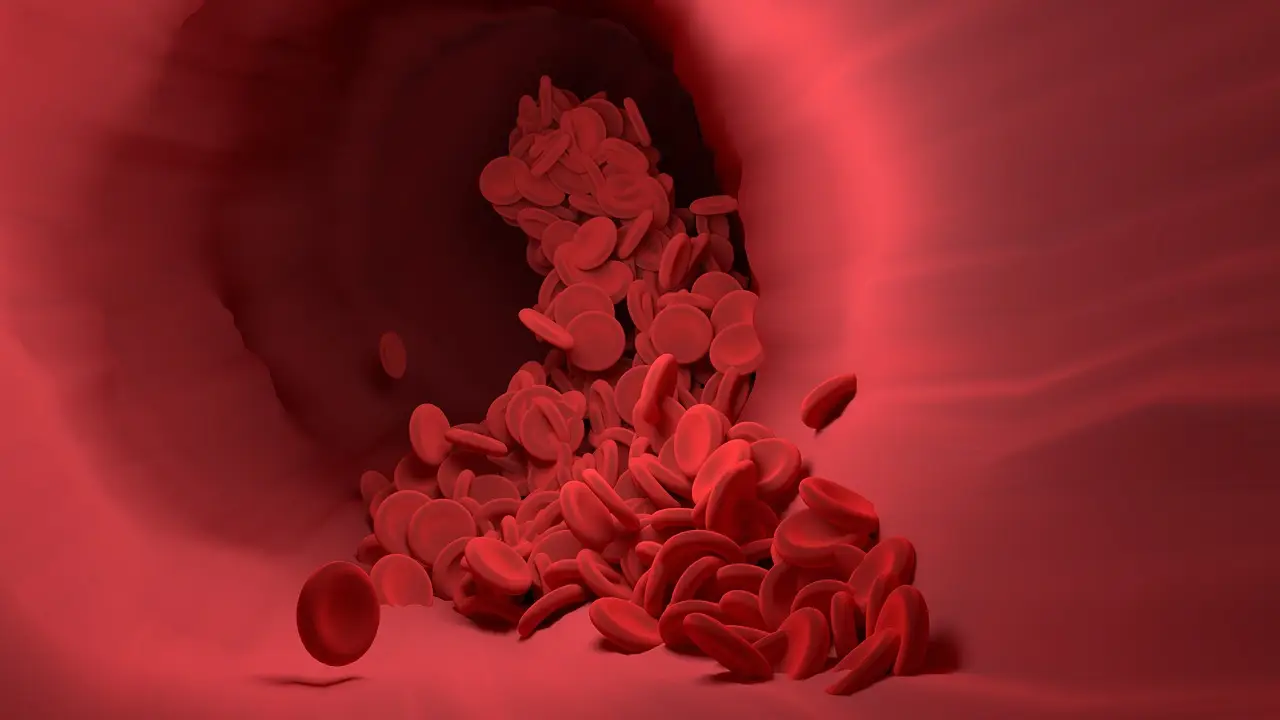
Hillsborough County says a first-of-its-kind drone service should launch within weeks across 70 square miles (181 km²), with a target of delivering temperature-controlled whole blood within 3.5 minutes. Paramedics will order the blood through a phone app.
What does the county launch change?
The service is designed to deliver blood after car crashes, shootings or stabbings, and to women with severe bleeding after childbirth. County officials said that, for some patients, waiting for a transfusion at the hospital could be too late.
Archer First Response Systems runs the blood program. The company began flying emergency drones in two Florida counties in May 2024. Founder and CEO Gordon Folkes said the drones have answered 15 emergency calls.
Ready-made kits can include:
- a portable automated external defibrillator (AED), which reads the heart's rhythm and, if needed, shocks it back into a steady beat;
- tourniquets;
- Narcan for opioid overdose;
- albuterol for asthma attacks; and
- epinephrine for severe allergic reactions.
Takeaway: The launch is a 70-square-mile test with a 3.5-minute blood-delivery target.
How fast did the AED arrive?
One drone lowered an AED to a woman whose husband had collapsed. Folkes said: “She got the AED pads on the chest about four minutes before ground units even arrived on the scene.” The device identified a heart rhythm that a shock cannot correct. The man died.
Takeaway: The four-minute lead did not produce a shockable rhythm in that case.
Why does response time matter?
The American Heart Association (AHA) estimates that, without a shock, a person's odds of survival fall 7% to 10% with each passing minute. Dr. Robson Gilmour, a U.K. resident doctor who studies drone transport of donor organs, told The Washington Post: “In cardiac arrest, getting a defibrillator to someone quickly is absolutely crucial.”
Takeaway: The AHA attributes a 7% to 10% fall in survival odds to every passing minute without a shock.
Where are medical drones already working?
In western Sweden, AED drones now form part of many emergency responses and cover about 15% of the region's population, local officials told The Washington Post.
In July, Cleveland Clinic teamed with drone company Zipline on what The Washington Post called a first-of-its-kind program to deliver prescriptions by drone. In parts of sub-Saharan Africa with rough roads, drones already deliver blood, vaccines and medicines routinely.
Takeaway: Medical drone use is routine in some remote regions and selective in other systems.
What limits a U.S. delivery network?
Medical drones have not caught on widely in the United States. Federal Aviation Administration (FAA) rules generally require drones to remain where the pilot can see them, Gilmour said. Waivers exist, but they do not easily support a large, everyday delivery network. Those limits also slow efforts to fly donor organs.
In 2019, a drone carried a kidney less than 3 miles (4.8 km) across Baltimore for a successful transplant.
Takeaway: A 3-mile kidney flight succeeded; everyday U.S. delivery still faces FAA visibility limits.
Which medical payloads will scale first?
Gilmour expects blood, laboratory samples and medicines to become routine first because they are more frequent and easier to fit into current health systems than donor organs. Gilmour also said he imagines many similar opportunities in rural parts of the United States, where drones could make a real difference.
Takeaway: Gilmour expects blood, laboratory samples and medicines to scale before donor organs.
Source: Medical Xpress
More from Elena Vasquez
Show full bio
Senior reporter covering people, launches and day-to-day practice in Doctors' Insider is a professional daily at Doctors' Insider.
63 articles
Related articles
- Sepsis AI Cut Mortality 18.7%; a Blanket Slowdown Would Protect Diagnostic Error
- Neural Network Reads ICD Signals to Predict Ventricular Fibrillation
- Lubdub's 14-day ECG patch enters clinical trial in Perth with 18x cleaner signal
- 77% Fewer ED Visits: Reimagine Care's Triage Model Reaches PCOC
- Nine Black Friday tech buys that become HIPAA problems