FDA Shelves Priority Voucher Program; 9 Psychedelic Drugs in Limbo
The FDA has issued no National Priority Voucher since Commissioner Marty Makary left in May, leaving nine applications, including psilocybin and methylone candidates, unresolved.
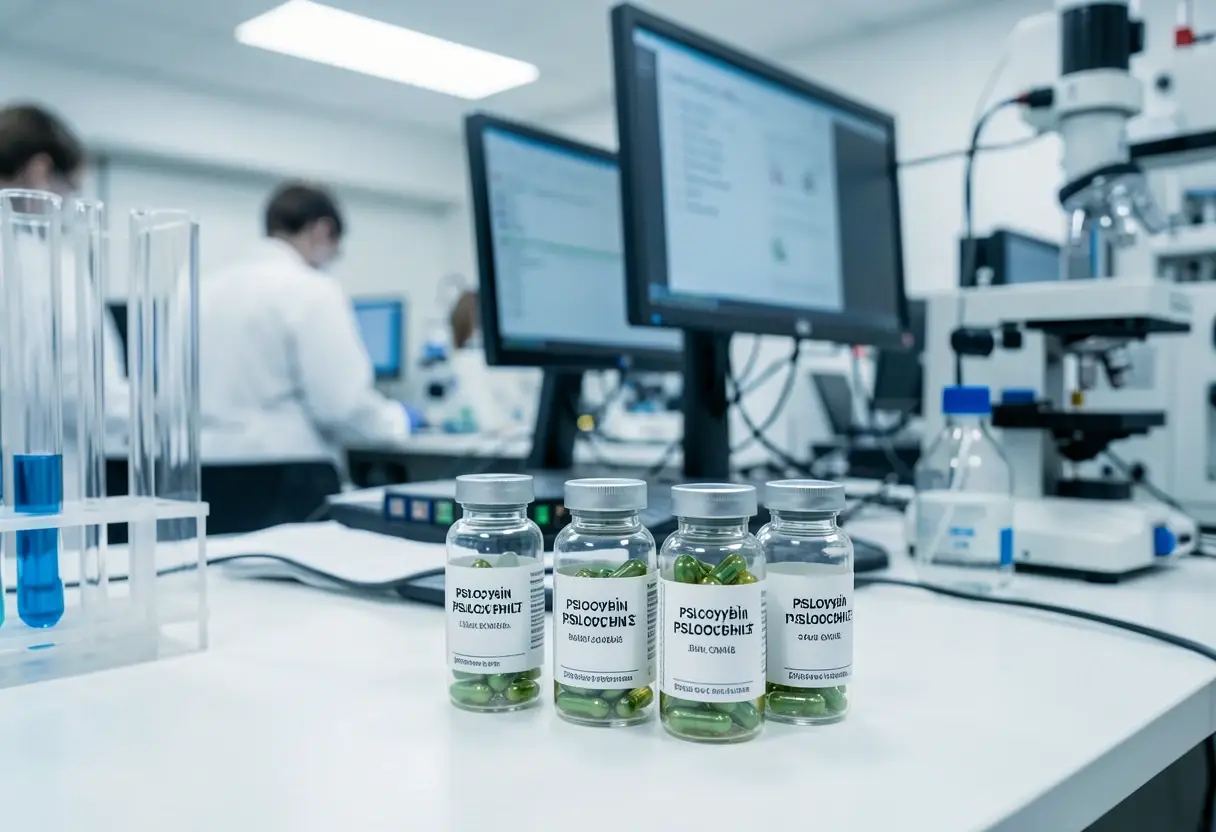
Nine drug applications, three of them psychedelics, remain inside a federal fast-track review program that has issued 22 vouchers and produced roughly a dozen approvals since June 2025, and the FDA has issued no new voucher since Commissioner Marty Makary left office in May.
That stall follows a Reuters report on November 12, 2026, based on internal documents and close sources, that the agency has shelved the Commissioner's National Priority Voucher program, launched during the Trump administration to cut review timelines to one or two months for treatments aimed at national priorities such as the mental health crisis. The program had been lauded as a remedy for US regulatory hold-ups.
What did the voucher program promise?
Makary created the program, and it opened in June 2025. President Trump widened its remit with an Executive Order dated April 18, 2026, directing the Department of Health and Human Services to accelerate access to treatments for patients with serious mental illness. An FDA news release on April 24, 2026, then named psilocybin for treatment-resistant depression and major depressive disorder, and methylone for posttraumatic stress disorder, among the leading candidates.
Why has voucher issuance stopped?
Three things happened at once. Makary's departure in May left the agency without a commissioner to steer the program, and without consistent leadership. The executive council of political appointees that oversaw drug reviews and helped speed approvals has gone dormant, according to internal documents. And FDA leadership has told pharmaceutical companies that the agency is not moving the program forward while keeping applications open: companies can submit, but their applications will not advance.
Rich Danker, a former assistant secretary at HHS, said the initiative is "quietly being phased out."
Why does HHS still call it a pilot?
Emily Hilliard, an HHS spokesperson, said the pilot is ongoing and that the FDA is reviewing feedback from a June public hearing to refine the framework. The two accounts leave the program's status formally unresolved, even as companies were told not to expect movement.
What happens to the nine drugs still in the program?
According to two sources, FDA career scientists have resumed overseeing review timelines. The nine outstanding applications include COMP360, a psilocybin candidate for treatment-resistant depression from Compass Pathways; PSIL201, a psilocybin candidate for major depressive disorder from Usona Institute; and TSND-201, a methylone candidate for posttraumatic stress disorder from Transcend Therapeutics.
The record to date: 22 vouchers issued, roughly a dozen approvals, and for several of those drugs, a quickened approval of eight months or more.
What are the principal objections?
The program drew fierce criticism from regulatory experts on three grounds: handpicking of drugs, the makeup of the oversight council, and preferential treatment for companies that met the president's demands.
Holly Fernandez Lynch, a health policy professor at the University of Pennsylvania, called the program "the worst of both worlds." She argued that it combined serious risks of political influence with potentially limited practical benefit, since many drugs might have qualified for other review pathways.
Peter Lurie, a former FDA executive, criticized the program for ceding review decisions to political appointees, which he said risks consumer safety under compressed timelines, and for its lack of transparency.
What should prescribers watch?
Whether the nine pending applications clear review before the framework is rewritten.
Original: reuters.com
More from Grace Kim
Show full bio
Market editor covering money, funding and market shifts around Doctors' Insider is a professional daily at Doctors' Insider.
62 articles
Related articles
- FDA Clears Igalmi for At-Home Agitation Treatment in Schizophrenia, Bipolar Disorder
- Optimi plans 200-patient psilocybin trial, 100-person PTSD phase 3
- Reshaped USPSTF Ends 20-Month Hiatus, Resumes Screening Deliberations
- FDA Decision on At-Home Igalmi Set for November 14, 2026
- AMA and 61 Groups Press Congress to Block 2.31% Medicare Pay Cut