Cochrane review finds no clear turmeric pain benefit in knee OA
A 2026 Cochrane review of nine trials and 1,245 people with knee osteoarthritis found no clear clinically important pain advantage over placebo, NSAIDs or acetaminophen.
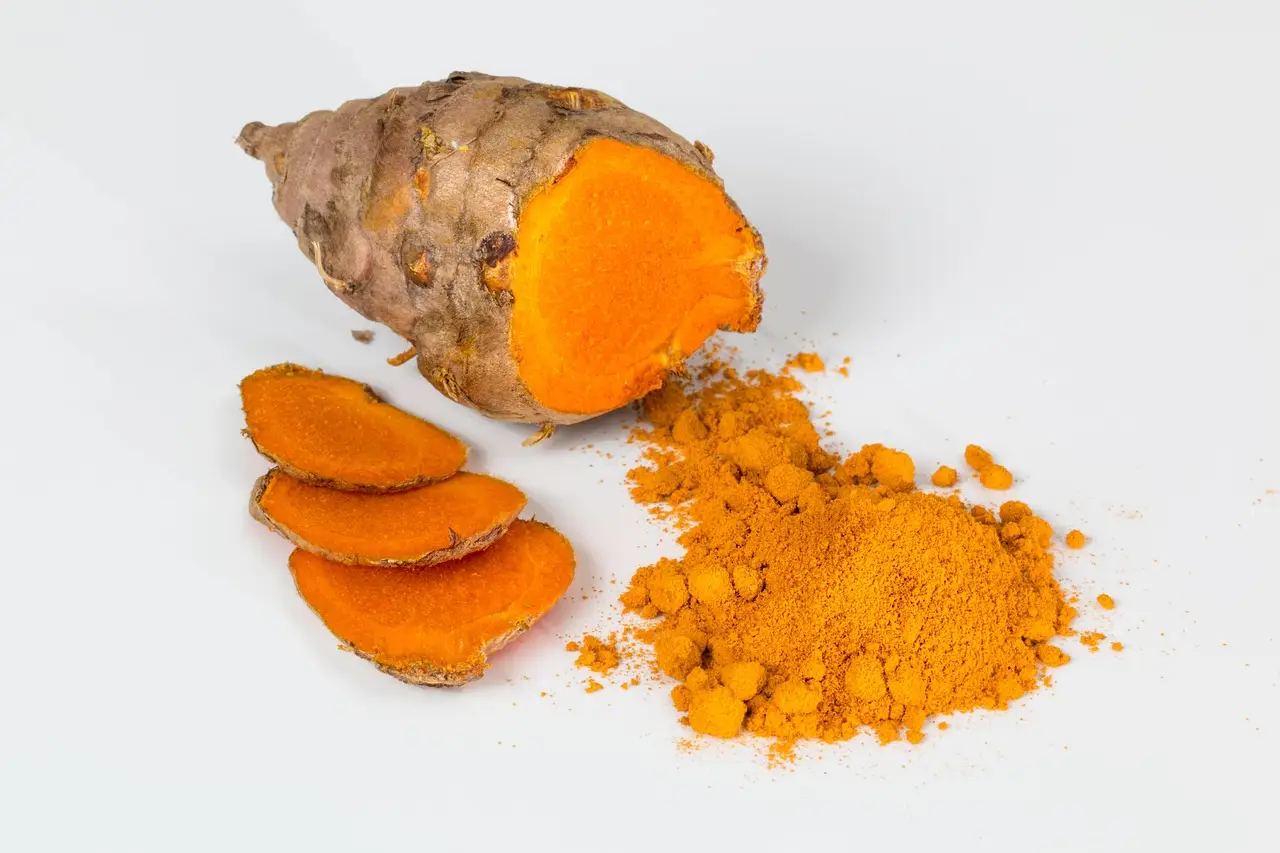
A 2026 Cochrane review of 9 trials involving 1,245 people with knee osteoarthritis found no clear clinical benefit for turmeric over placebo, NSAIDs or acetaminophen, while study limitations left the evidence uncertain.
That is a change in emphasis, not a tidy refutation. Earlier systematic reviews generally suggested that turmeric might improve pain and physical function, but the 9 studies accepted by the new review did not demonstrate a clear clinical benefit.
What did the review test?
The international research group assessed several turmeric extracts and curcuminoid-based products against three comparator categories:
- Placebo.
- Nonsteroidal anti-inflammatory drugs (NSAIDs), including ibuprofen and diclofenac.
- Acetaminophen.
The review covered 1,245 participants. Average age ranged from 52 to 62 years, around two-thirds were women, and studies ran in Australia, Belgium, India and Thailand. Trial duration ranged from four weeks to three months.
The products differed in composition, curcuminoid content and dose. The review, titled “Curcuma longa (turmeric) or its active ingredients for osteoarthritis,” appeared in the Cochrane Database of Systematic Reviews in 2026 under DOI 10.1002/14651858.CD014683.pub2; Cochrane Library lists it as the journal.
Does turmeric beat placebo, NSAIDs or acetaminophen?
No clear clinical benefit emerged. Turmeric was not shown to be more effective than placebo or anti-inflammatory drugs, but the available evidence remains uncertain because of limitations in the underlying studies; the result does not establish equivalence.
Turmeric contains compounds known as curcuminoids, including curcumin, which have anti-inflammatory properties. Because inflammation contributes to osteoarthritis symptoms, supplements have attracted considerable interest; the biological rationale did not translate into a demonstrated clinically important benefit in this review.
Lead author Ivan Shirinsky, a practicing rheumatologist, said: “As a clinician and researcher, I am not surprised by these findings. Osteoarthritis is a complex and still incompletely understood disease. Despite intensive research, effective pharmacological treatment options remain limited, and many promising approaches have yielded limited or inconclusive evidence of clinical benefit.”
Osteoarthritis is a complex joint disease and the most common type of arthritis. Exercise and medication can manage symptoms, but there is currently no cure. Shirinsky said a better understanding of the mechanisms underlying osteoarthritis may help develop more effective treatments.
Why do the conclusions differ from earlier reviews?
Previous systematic reviews generally suggested possible improvements in pain and physical function, but some findings may have been influenced by studies whose trustworthiness had not been formally assessed. The 2026 review added formal trustworthiness assessments as an additional safeguard.
Ten screened trials raised concerns and were placed in the awaiting classification category pending clarification from their authors. The review excluded them from analyses because the concerns remained unresolved.
Earlier reviews also included a wider set of evidence:
- Trials based only on radiographic diagnoses of osteoarthritis.
- Nonoral turmeric preparations.
- Curcumin products combined with other active ingredients.
They did not apply the same trustworthiness screening procedures. Differences in study selection and methodology, including the assessment of trial trustworthiness, may explain why the 2026 review reached more cautious conclusions.
How did the authors assess trial trustworthiness?
The authors applied the Trustworthiness Screening Tool, developed by the Cochrane Pregnancy and Childbirth group. Similar tools have since been developed, including INSPECT-SR, designed to help researchers identify problematic studies that may distort evidence syntheses.
What should clinicians recommend?
Shirinsky said: “I would not routinely recommend turmeric supplements to my patients with knee osteoarthritis. However, if a patient asked me about them, I would explain what we know and what remains uncertain about their benefits and potential harms, and help them make an informed decision.”
That is the defensible 2026 position: do not add turmeric routinely for knee osteoarthritis, but do not misrepresent uncertain evidence as proof of no effect. Across 9 trials and 1,245 participants, the Cochrane review found no clear clinically important pain advantage; its DOI is 10.1002/14651858.CD014683.pub2.
Source: Medical Xpress
More from Amara Osei
Show full bio
Correspondent covering money, funding and market shifts around Doctors' Insider is a professional daily at Doctors' Insider.
60 articles
Related articles
- Retatrutide Cuts Knee OA Pain Up to 4.5 Points in Phase 3
- NSAIDs show mixed risk signals in nearly 350,000 adults with IBD
- Pharmacy-led knee OA program cuts impairment and cost in 12-month RCT
- BASDAI Falls 3.3 Points as Tremfya Beats Placebo in Axial PsA STAR
- PEPPER trial: aspirin slightly loses to anticoagulants after joint replacement