AbbVie's Rinvoq Becomes First FDA-Approved Systemic Therapy for Vitiligo
Upadacitinib 15 mg daily is now indicated for nonsegmental vitiligo in patients 12 and older, the first systemic approval for the disease, based on replicate phase 3 trials in 614 patients.
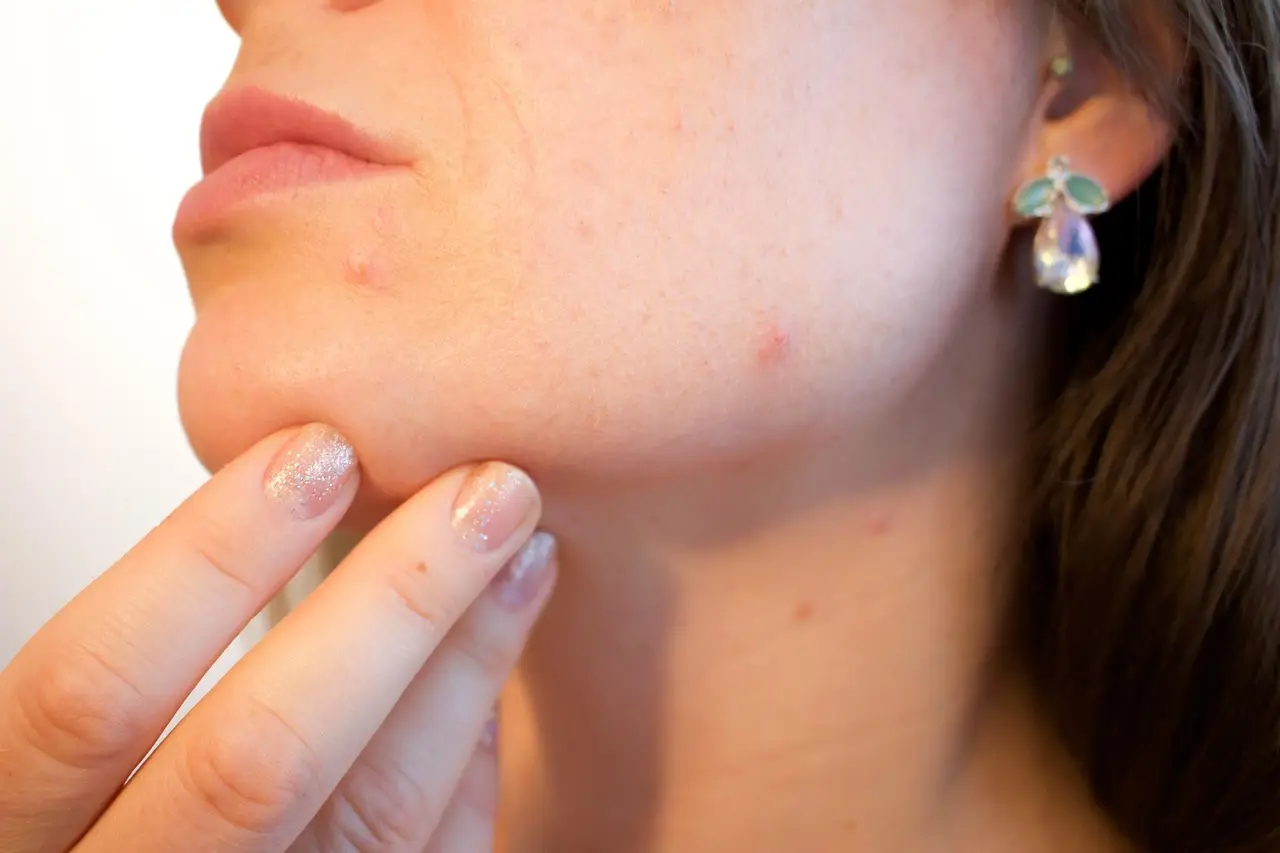
Roughly 3 million American adults live with nonsegmental vitiligo, and until November 23, 2026, not one of them had an FDA-approved systemic option. That changed when the agency approved upadacitinib (Rinvoq) 15 mg once daily for patients aged 12 and older, AbbVie announced — the first systemic indication ever granted for the disease.
The approval rests on 48-week data from the replicate phase 3 Viti-Up-1 and Viti-Up-2 trials, and the margin over placebo was unambiguous. Both studies met their co-primary endpoints at week 48 with multiplicity-controlled P values at or below .001.
What did the Viti-Up trials show?
Viti-Up comprised two randomized, double-blind, placebo-controlled phase 3 studies run under a single protocol in patients aged 12 and older eligible for systemic therapy. Investigators randomized 614 patients 2:1 to upadacitinib 15 mg or placebo once daily — 308 in Viti-Up-1 and 306 in Viti-Up-2. Each trial included a 48-week double-blind period followed by a 112-week open-label extension.
The co-primary endpoints were at least 75% facial repigmentation from baseline on the Facial Vitiligo Area Scoring Index (F-VASI 75) and at least 50% total-body repigmentation on the Total Vitiligo Area Scoring Index (T-VASI 50) at week 48.
- Viti-Up-1: F-VASI 75 in 25% of upadacitinib patients vs 6% on placebo; T-VASI 50 in 19% vs 6% (P ≤ .001 for both).
- Viti-Up-2: F-VASI 75 in 23% vs 7%; T-VASI 50 in 21% vs 6% (P ≤ .001 for both).
- F-VASI 90 at week 48: achieved by 16% and 12% of treated patients vs 2% and 3% of placebo recipients in Viti-Up-1 and Viti-Up-2, respectively.
Does repigmentation keep improving?
It does, according to week 76 data presented at the 2026 Fall Clinical Dermatology Conference in Las Vegas. Among patients remaining on upadacitinib 15 mg in the open-label extension:
- Viti-Up-1: F-VASI 75 rose to 55% and T-VASI 50 to 43%.
- Viti-Up-2: corresponding rates reached 47% and 40%.
AbbVie cautions that the week 76 figures reflect observed cases only and are descriptive; placebo patients crossed over to upadacitinib during the extension.
"We know that repigmentation takes time, and the significant improvements observed at week 76, with facial and total body response rates doubling or nearly doubling from week 48, are especially encouraging and reinforce the value of a treatment approach that targets the disease from within," said Seemal R. Desai, MD, president of the Global Vitiligo Foundation, founder of Innovative Dermatology in Dallas, and a Viti-Up investigator.
Desai also framed the approval against the limits of current practice. "Nonsegmental vitiligo is a chronic, unpredictable autoimmune disease with a burden that extends well beyond visible pigment loss, affecting patients physically and emotionally," he said in a statement. "Treatment has historically focused on individual areas of depigmentation rather than addressing the disease more broadly."
What should prescribers watch?
Upadacitinib is an oral JAK inhibitor with greater in vitro potency for JAK1 than for JAK2, JAK3 and tyrosine kinase 2, and the vitiligo indication is its tenth in the United States. AbbVie reports that the safety profile in both Viti-Up studies was generally consistent with the profile across its approved indications.
The prescribing information nonetheless carries the class risks: serious infections, malignancy, major adverse cardiovascular events and thrombosis. Laboratory testing is required before and during treatment, and the elevated cardiovascular and mortality risk applies to patients aged 50 and older with at least one cardiovascular risk factor — a screening step worth building into the intake workflow before the first prescription.
Beyond vitiligo, upadacitinib remains in phase 3 development for alopecia areata, hidradenitis suppurativa, Takayasu arteritis and systemic lupus erythematosus.
For dermatologists who have spent careers treating lesion by lesion, the approval offers something they have never had: a systemically indicated drug for a systemic disease.
Original: news.abbvie.com
More from Grace Kim
Show full bio
Market editor covering money, funding and market shifts around Doctors' Insider is a professional daily at Doctors' Insider.
61 articles