62 Groups Press Congress for 4 Medicare Pay Fixes by Dec. 11
An AMA-led coalition of 62 groups wants the 2.5% Medicare pay update extended through 2027 before funding lapses Dec. 11, as the 2027 conversion factor drops to $32.63.
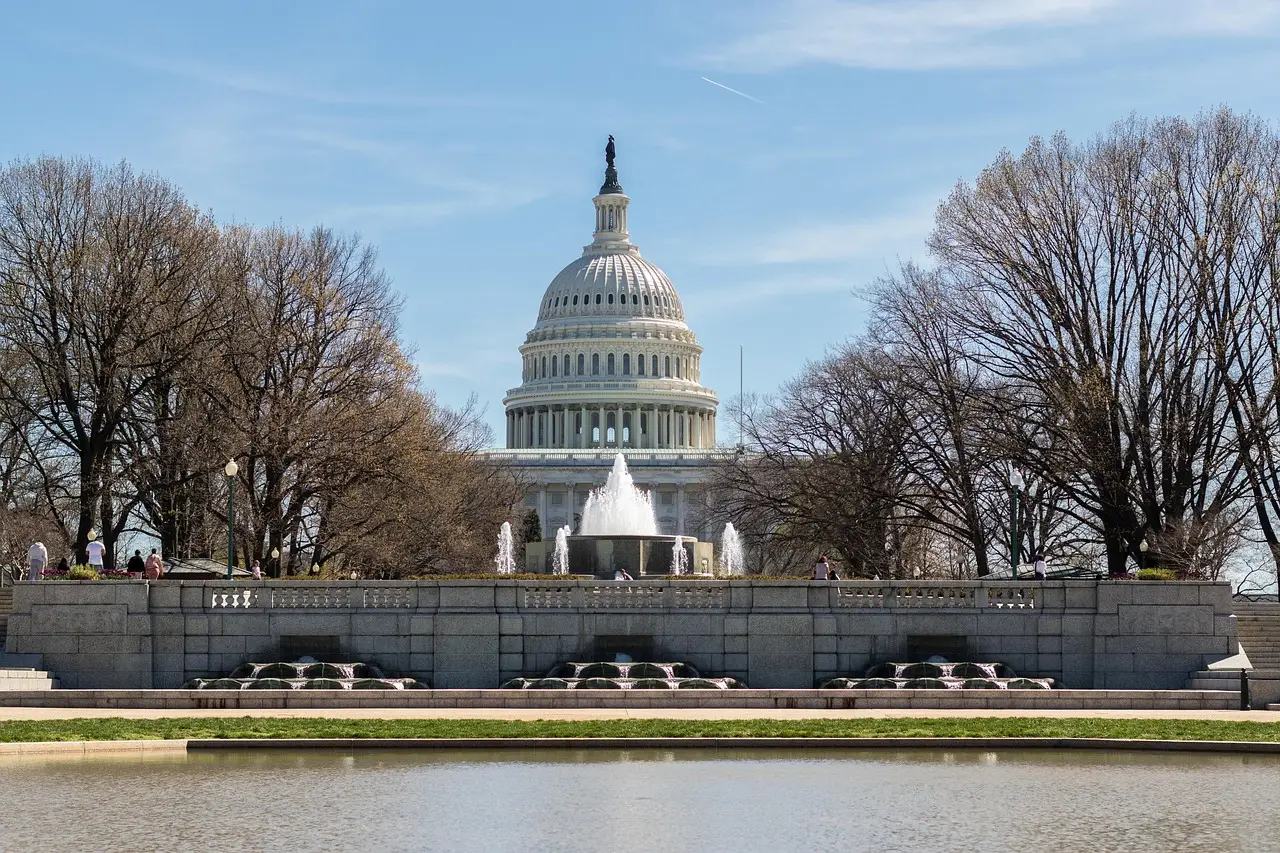
Sixty-two healthcare organizations, led by the American Medical Association, asked Congress on Nov. 12 to extend the 2.5 percent Medicare physician pay update through 2027 — before government funding expires Dec. 11. The Medical Group Management Association (MGMA) is among the signers, and the coalition also wants a one-year delay of the modifier 25 same-day payment cut and a 2 percent cap on MIPS penalties.
The letter lands days after CMS released its final 2027 fee schedule on Nov. 4. That rule cuts the conversion factor (the dollar multiplier applied to relative value units, the work-and-expense weights assigned to each CPT code) by 2.31 percent for clinicians outside advanced alternative payment models, to $32.63 from $33.40. Qualifying APM participants take a 1.83 percent cut, to $32.95. Most of the drop reflects the expiration of the one-year 2.5 percent bump Congress approved for 2026.
The coalition frames the problem as structural: Medicare physician payment has fallen about 33 percent since 2001 when adjusted for inflation in practice costs.
What does the coalition want?
- Extend the 2.5 percent payment update through 2027.
- Pass the bipartisan Provider Reimbursement Stability Act (H.R. 8163/S. 5180), which blocks permanent cuts when CMS overestimates changes in service use.
- Delay the modifier 25 same-day payment reduction for one year.
- Cap MIPS (the Merit-based Incentive Payment System) penalties at 2 percent and require timely, actionable performance data.
Why Dec. 11 matters
MGMA senior vice president of government affairs Anders Gilberg called the funding deadline the opening. "The federal government funding expires on Dec. 11, and there are a number of bipartisan priorities still," he said in a Nov. 10 interview with Physicians Practice. "Last year, as part of some of the extenders, there was a 2.5 percent increase to the physician payment, the conversion factor. We would like to see that again."
He traced current cuts to Medicare's budget neutrality rules, which force an across-the-board conversion factor adjustment whenever relative value unit changes would shift spending by $20 million or more. "Even the cuts we're dealing with now, they are the result of some decisions made five years ago with respect to E/M codes and budget neutrality," he said.
On the modifier 25 policy, the final rule softened CMS' July proposal: when a separately identifiable office visit is billed the same day as a 0-day global procedure, Medicare pays the most expensive service in full and the others at 80 percent, not 50 percent. CMS also dropped 10- and 90-day global procedures from the policy. Gilberg said that is not enough. "50 was quite high. 20 is still high," he said. "If you're an orthopedic surgeon or if you're a dermatologist, the 20 percent cut on those procedures is still very significant."
He warned practices may tell older patients to return another day for procedures such as a skin lesion found during an exam. "Especially for the elderly population, we're not forcing our medical practices and physicians to provide care below cost," he said.
On MIPS, he said the program lacks physician trust: "MIPS is perceived as a quality reporting initiative. It's not really perceived as a quality improvement initiative." Of the MIPS Value Pathways CMS is pushing, he said: "It's MIPS just done differently."
What else is on MGMA's list?
MGMA's own Nov. 9 letter carries seven asks. It cited survey data: 80 percent of medical practices report Medicare rates do not cover the cost of care in 2026, and 84 percent report higher operating costs. Beyond the pay extension and same-day cut delay:
- Extend the 1.0 work geographic practice cost index floor, which expires Dec. 31.
- Extend the 3.1 percent Advanced APM incentive payment and freeze qualifying participant thresholds through 2027.
- Pass the RESULTS Act to head off clinical lab fee schedule cuts; CMS' preliminary 2027 rates average a 16 percent reduction.
- Pass the Improving Seniors' Timely Access to Care Act on prior authorization — 71 Senate and 308 House cosponsors, no cost per the Congressional Budget Office. "There's no reason that bill shouldn't pass this fall," Gilberg said.
- Pass the Patients First Act (H.R. 9693), which ties payment to the Medicare Economic Index and raises the budget neutrality threshold. Democrats placed it on their 100-day priority list.
What should practices do before Jan. 1?
Run the numbers now, Gilberg said. Start with the specialty impact charts in the final rule, then check the 10 or 20 codes the practice bills most and recalculate under the new conversion factor and RVUs. Read the remote patient monitoring rule changes closely. Lean on MGMA or specialty societies, he said, "so you don't get surprised on Jan. 1."
Original: searchlf.ama-assn.org
More from James Calloway
Show full bio
News editor covering regulation, policy and their impact on Doctors' Insider is a professional daily at Doctors' Insider.
68 articles
Related articles
- Medicare Conversion Factor Drops 2.31% on Jan. 1 Unless Congress Acts
- CMS finalizes 2.31% Medicare conversion factor cut for 2027
- AMA and 61 Groups Press Congress to Block 2.31% Medicare Pay Cut
- CMS Cuts Medicare Conversion Factor 2.31% in 2027 Fee Schedule
- Medicare's 2027 modifier 25 cut: 20% off the lower same-day line