40% of Family Medicine Departments Ran Clinical Losses in FY2024
A CERA survey of 111 family medicine chairs found 40% posted FY2024 clinical losses and nearly half said financial expectations harmed education, research and community missions.
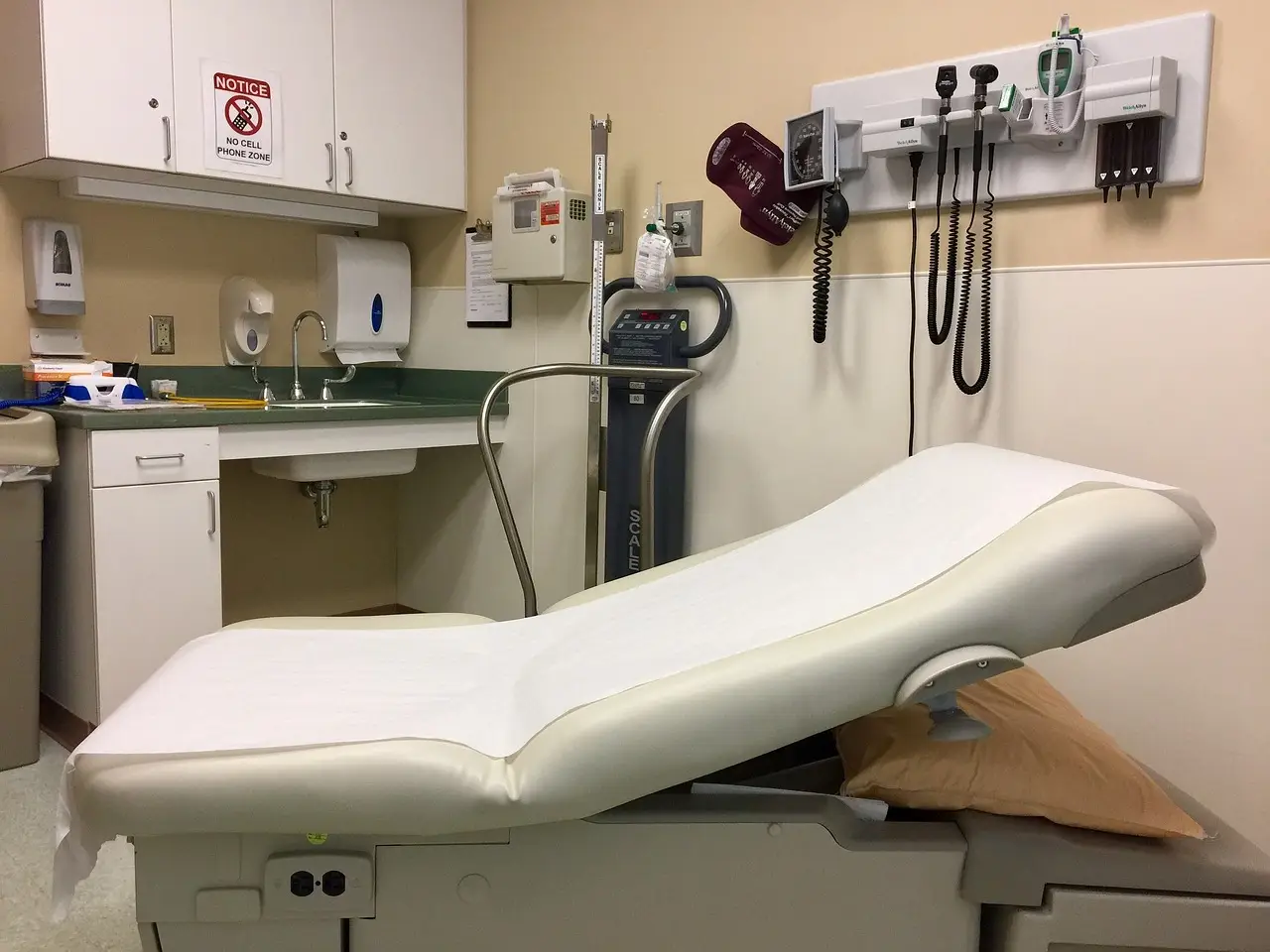
Forty percent of North American family medicine department chairs reported their clinical operations lost money in fiscal year 2024, and nearly half said institutional financial expectations had damaged work in education, research and community service. The findings come from a survey-based study published in The Annals of Family Medicine by John E. Snellings and colleagues.
How the data were gathered
Researchers appended nine questions on finances and revenue targets to the 2024 Council of Academic Family Medicine Educational Research Alliance (CERA) annual Department Chair Survey. Of 218 chairs surveyed, 111 responded, a 51 percent response rate.
The study appears as John E. Snellings et al., "Financial Expectations and Revenue Targets for Academic Family Medicine Departments," The Annals of Family Medicine (2026), DOI: 10.1370/afm.260105.
Who sets the revenue targets?
The survey documented who actually sets those targets. Non-physician leaders set them in 56 percent of departments; primary care physicians set them in only 23 percent.
The remainder were not broken out in the reported results. The takeaway: in most departments, the profitability bar is set by administrators without clinical credentials in primary care.
When does financial pressure damage the mission?
Two patterns emerged from the responses. First, departments that made a profit or broke even were more likely than loss-making departments to face an explicit expectation to be profitable. Second, chairs facing that explicit expectation were more likely to report harm to their academic, educational and community service missions.
In other words, the pressure does not track actual financial performance. Solvent departments carry the heavier explicit mandate, and that mandate is what correlates with reported damage to teaching and research.
Do institutions count the downstream revenue?
The survey also probed whether chairs believed their institution recognized the "downstream" revenue primary care generates — revenue from referrals, lab tests and imaging ordered through primary care encounters. Academic departments were less likely than community-based departments to say their institution credited that downstream contribution.
The practical implication: academic family medicine departments may be judged on their own margin line while the referrals and diagnostic orders they generate accrue elsewhere in the health system. Chairs of academic departments reported the least institutional recognition of that spillover.
Why the findings matter
Although the study's authors note many institutions formally recognize that primary care's value extends beyond clinical revenue, the survey shows financial pressures still shape how family medicine departments operate day to day. Profitability expectations, largely set by non-physician leadership, correlate with self-reported degradation of the educational and research missions that define academic family medicine.
For department chairs and academic administrators, the study offers a quantified baseline: 40 percent clinical losses in FY2024, a 56 percent rate of non-physician target-setting, and a clear association between explicit profit mandates and mission harm. Whether that association prompts institutions to reprice primary care's downstream contribution remains the open question.
The bottom line: financial mandates, not deficits, are what chairs link to erosion of teaching and research.
Source: Medical Xpress
More from Marcus Bennett
Show full bio
Staff writer covering companies, deals and strategy in Doctors' Insider is a professional daily at Doctors' Insider.
64 articles
Related articles
- Practice Loans Turn on Cash Flow, Not Student Debt Balances
- Ontario ties team funding to new patients in over $3B primary care plan
- Medicaid churn could strain primary care in 2027, NASEM panel says
- Surgical, Medical Groups Tell Congress: Fix Medicare Pay or Lose Practices
- Hospital Outpatient Departments Bill 1.2 to 13.4 Times More Than Community Settings