1,446 Thanksgiving home fires; 9 ICD-10 codes ready for Monday
NFPA estimated 1,446 home cooking fires on Thanksgiving 2023, nearly four times the daily average. Nine ICD-10 codes, three claim checks and CMS's rule prepare practices for Monday.
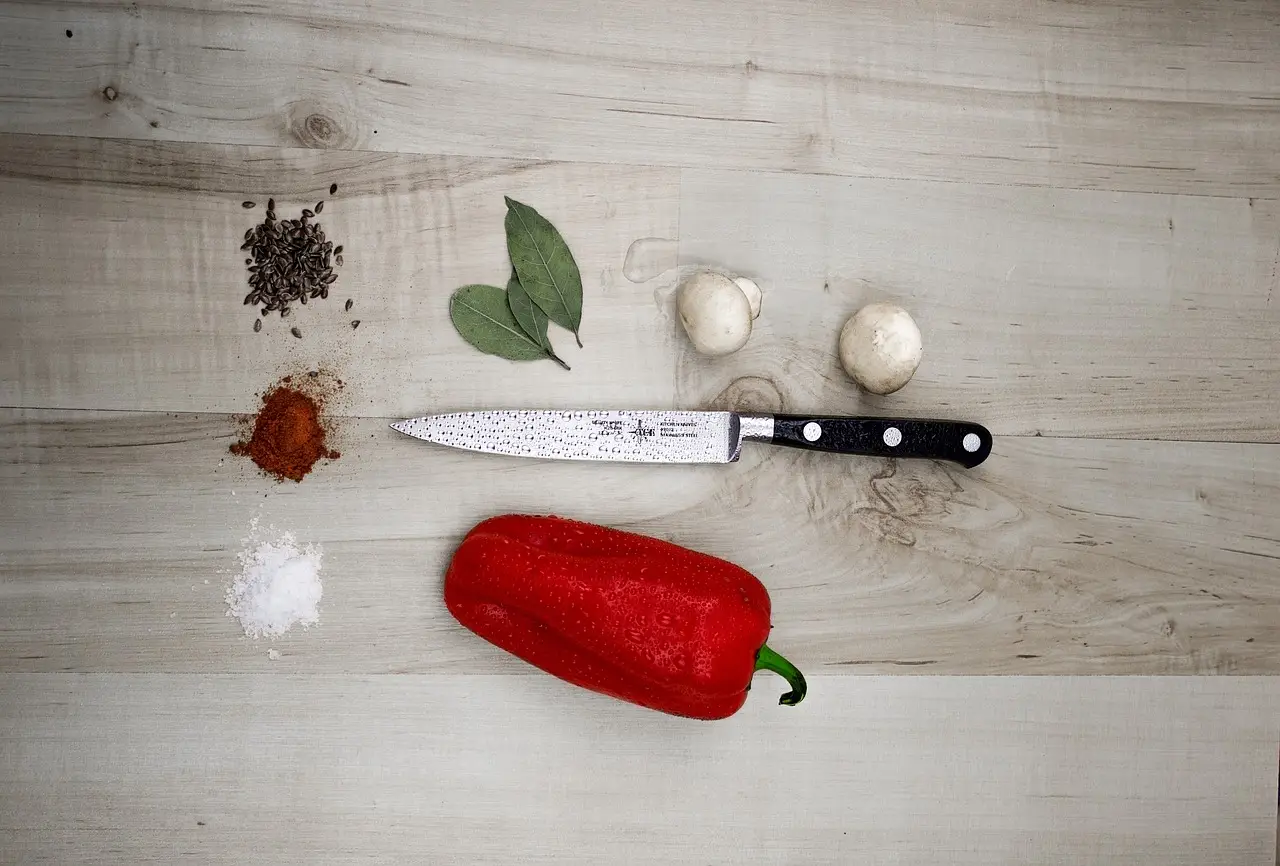
Fire departments responded to an estimated 1,446 home cooking fires on Thanksgiving 2023, according to the National Fire Protection Association—nearly four times the daily average. Thanksgiving was the worst day of the year for home kitchen fires.
That is the operational signal: keep the nine recommended ICD-10 codes ready before the post-holiday schedule. The forecast is direct: the practice sees the results the following Monday, when burns, lacerations, food poisoning and palpitations fill the schedule.
What should teams prepare for?
The Monday queue starts with more than flames. The pre-holiday mix names fryer burns, carving cuts, undercooked birds, pecan pie allergies and the backyard football game. The coding guidance also flags “holiday heart” and turkey attacks.
Four diagnoses—burns, lacerations, food poisoning and palpitations—will fill the schedule, and each needs a code specific enough to get paid. Mechanism matters too: external-cause coding records how the patient got hurt when a state mandate or payer requires it.
Takeaway: Prepare for a mixed holiday schedule and make code specificity part of the standing workflow.
Which coding details can trigger a denial?
The warning is blunt: “Claims with unspecified codes, missing seventh characters or no laterality are easy denials, and they’re avoidable.” Three checks should precede submission.
- Unspecified codes: Review whether the encounter supports a more specific diagnosis code.
- Seventh characters: Verify whether a seventh character is required, then check that it appears.
- Laterality: Confirm that the record’s affected side supports the code submitted when applicable.
These are the three defects named in the coding guidance. Deep fryers, carving knives and turkey attacks also make mechanism relevant, because external-cause codes tell how the patient got hurt. The ICD-10 codebook contains a surprising amount of holiday-specific detail, the guidance says.
Takeaway: Audit those three fields before submission; the guidance calls their omission avoidable.
When is external-cause coding required?
CMS sets a narrow national baseline for external-cause codes: “They aren’t required nationally unless a state mandate or a payer calls for them.” That rule separates the federal baseline from state mandates and individual plan requirements.
Practices should not treat national nonrequirement as a blanket waiver. Before Thanksgiving, the coding lead should identify applicable state mandates and check each payer’s instructions. External-cause codes still carry operational value because they document how an injury occurred, even where the code is not federally mandatory.
The distinction matters for claims built around deep-fryer burns, carving cuts, turkey attacks and other holiday mechanisms. Diagnosis coding captures the condition; external-cause coding supplies the mechanism when the relevant state or payer rule calls for it.
Takeaway: Use CMS as the baseline, then verify state mandates and payer instructions before deciding whether external-cause coding is required.
What should be ready before Thanksgiving?
Preparation should finish before the leftovers run out.
- Keep the nine recommended ICD-10 codes in one holiday-ready reference set.
- Brief scheduling and coding staff on burns, lacerations, food poisoning and palpitations.
- Run all three claim checks: unspecified codes, seventh characters and laterality.
- Confirm state and payer requirements for external-cause codes rather than assuming CMS resolves them.
The fire estimate supplies the urgency: 1,446 responses on Thanksgiving 2023, nearly four times the daily average, on the day identified as the year’s worst for home kitchen fires. The preventable claims exposure sits in incomplete specificity and missed external-cause requirements.
Takeaway: Nine codes, three claim checks and a state-and-payer review should be ready before Thanksgiving, not after the first denial.
Original: nfpa.org
More from Elena Vasquez
Show full bio
Senior reporter covering people, launches and day-to-day practice in Doctors' Insider is a professional daily at Doctors' Insider.
63 articles
Related articles
- Prior Auth APIs Can Pass Every Test and Still Clog the Clinic
- Nine Black Friday tech buys that become HIPAA problems
- Bundibugyo Ebola: 5,720 deaths and 260 attacks on health workers
- 5,412 measles cases, no exposure code: the nine codes practices need
- FBI Logged 1 Million Cyber Complaints, $20.9B in Losses: Holiday Scam Season Meets HIPAA